
Not every home comes with generous closets, but limited storage does not have to mean living with constant clutter. A mix of vertical storage, multi-purpose furniture, and a few overlooked spaces can add real capacity without any construction.
Go Vertical Wherever Possible
Closets are usually only used efficiently in their lower half, leaving significant space near the ceiling unused. Adding a second shelf above the existing one, or stacking labeled bins in that upper zone for seasonal items, takes advantage of space that is otherwise wasted.
Use the Back of Doors
Over-the-door organizers work well for shoes, cleaning supplies, or accessories, and they add storage without taking up any floor or shelf space at all. This is one of the simplest additions for a closet that already feels full.
Add Furniture That Doubles as Storage
A bed frame with drawers underneath, an ottoman that opens up, or a bench with a lift-up seat all provide storage in rooms that do not have a dedicated closet nearby. These pieces are especially useful in bedrooms or entryways where floor space is limited.
Rethink Underused Spaces
The space under a staircase, above kitchen cabinets, or beside a refrigerator often goes completely unused. A slim rolling cart beside an appliance, or a custom-fit bin under stairs, can add meaningful storage in spots most homes overlook entirely.
Use Drawer Dividers and Bins Inside Existing Storage

Sometimes the issue is not a lack of space but a lack of organization within the space that already exists. Dividers inside drawers and labeled bins inside cabinets or closets make it possible to fit more while keeping everything easy to find.
Build a Floating Shelf for Display and Storage
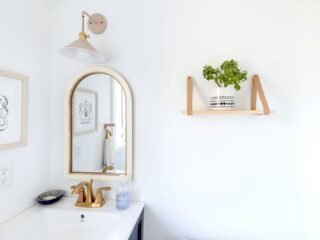
A simple floating shelf mounted above a doorway or in an awkward corner adds storage in a spot that would otherwise go completely unused, and it is a manageable weekend project even for someone with little carpentry experience.
Rotate Seasonal Items Out of Primary Storage
Keeping only the current season’s clothing and gear in the main closet, and storing the rest in bins under a bed or on a high shelf elsewhere, effectively doubles how much a small closet can handle throughout the year.
Measuring Before Buying Storage Products
Vertical storage additions and over-door organizers only work if they actually fit the space available, and measuring the closet’s interior height, depth, and door clearance before buying anything prevents a common and frustrating mistake: a product that looks right online but does not clear an existing shelf or door swing once it arrives. Measuring the depth of a closet rod’s hanging clothes, typically 24 inches for shirts and slightly more for coats, also determines how much clearance remains for an over-the-rod organizer without crushing what is already hanging.
Storage by Closet Type
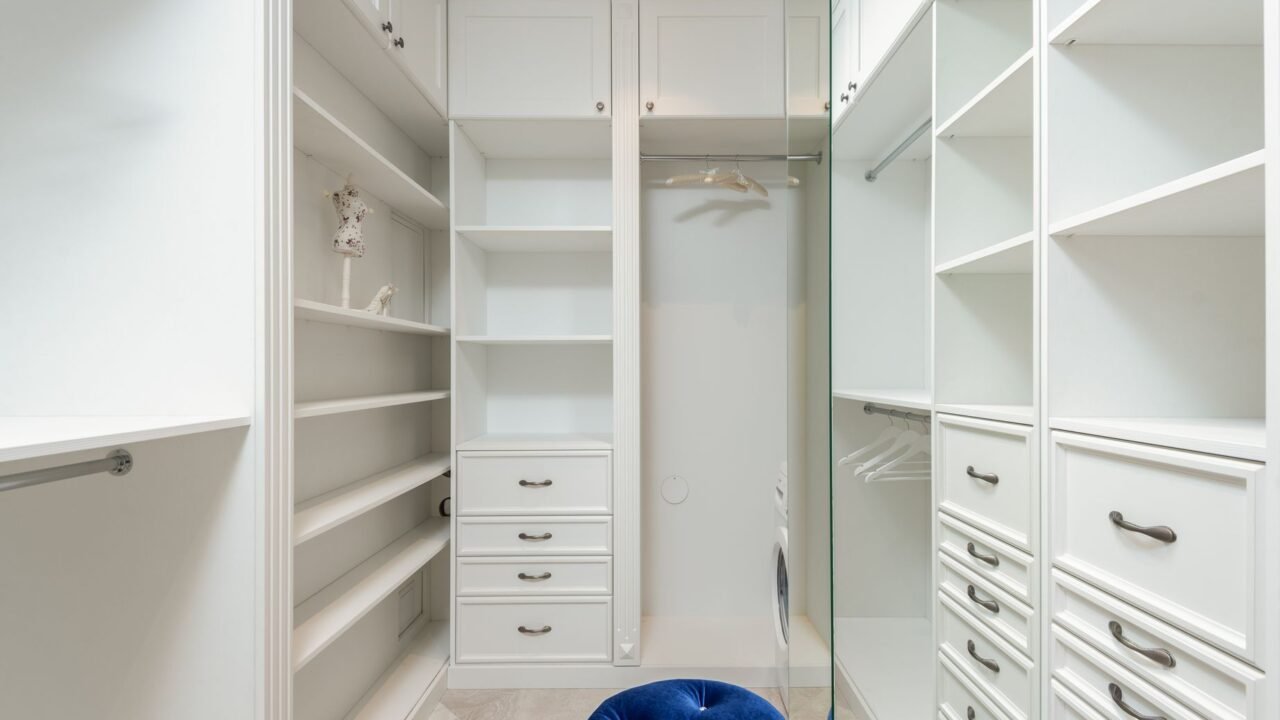
A reach-in closet, typically 24 to 30 inches deep with a single door, benefits most from doubling the hanging rod, adding a second, shorter rod below the existing one for shirts and folded items, which can roughly double usable hanging space without any structural change. A walk-in closet has room for freestanding shelving units or a closet system with multiple zones, but even a generously sized walk-in benefits from the same vertical-space and door-back principles as a smaller closet, since walk-ins are just as prone to wasted upper space as reach-ins.
Homes with no dedicated closet at all, common in many older homes and studio apartments, benefit most from freestanding wardrobes or armoires, which essentially recreate closet storage as furniture, combined with under-bed storage bins for off-season or rarely used items.
Common Mistakes When Adding Closet Storage
Buying storage products before measuring is the most common and costly mistake, since a beautiful set of matching bins is far less useful if it does not actually fit the shelf depth available. A second common issue is over-relying on stacked storage without labels; boxes stacked three or four high with no labeling system inevitably require pulling several down just to find one item, which discourages maintaining the system at all.
A third mistake is failing to account for weight limits on wall-mounted or over-door storage. An over-the-door shoe organizer loaded well beyond its rated capacity can pull away from the door over time, so checking the manufacturer’s stated weight limit before fully loading any hanging organizer is worth the extra minute.
A Seasonal Rotation Calendar
A practical rotation schedule assigns each season roughly three months, spring items swapped in around March, summer around June, fall around September, and winter around December, with the swap itself taking well under an hour once bins are already labeled and a rotation habit is established. Storing the off-season bin somewhere slightly less convenient, a high shelf, under a guest bed, or a garage shelf, is appropriate specifically because that bin is not needed again for months, freeing the most convenient closet space for whatever is currently in use.
Making the Most of Awkward, Underused Spaces
Beyond the obvious storage spots, a surprising amount of usable space hides in transitional areas most households walk past daily without a second thought. The wall space above a bedroom or bathroom door can hold a slim shelf for rarely used items, since that vertical stretch is almost never used for anything else. The gap between a refrigerator and an adjacent wall, when it exists, can fit a narrow rolling cart for pantry overflow or cleaning supplies. Even the inside of a front hall closet door, if one exists, adds a full extra storage surface with an over-door rack that would otherwise sit empty.
Under stairs, when accessible, represents one of the largest underused storage opportunities in many homes. A custom-fit set of drawers or bins tucked into this space can absorb an entire category of bulky, awkward items, holiday decorations, luggage, sports equipment, that otherwise compete for closet space year-round.
Digital and Physical Decluttering Together
Storage limitations often prompt people to keep fewer physical copies of documents and media, which is worth approaching deliberately rather than as an afterthought. Photographing sentimental paper items before discarding them, or scanning important documents rather than keeping years of paper originals, can meaningfully reduce the volume competing for closet and drawer space in the first place. This does not need to be an aggressive purge, only a periodic habit that keeps physical storage focused on the items genuinely worth keeping in their original form.
Storage That Grows With a Household

A storage system sized for a single person or a couple often needs to expand as a household grows, whether through a new child, a roommate, or simply accumulating more belongings over time. Modular storage products, stackable bins and adjustable shelving in particular, are worth prioritizing over fixed, single-purpose organizers precisely because they can be reconfigured or added to later without replacing the entire system. Planning storage with this kind of flexibility in mind from the start avoids the more disruptive process of overhauling an entire closet once it no longer fits the household’s needs.
Choosing Between Buying New and Repurposing What You Have
Not every storage need requires a new purchase. Sturdy cardboard boxes covered in fabric or contact paper, repurposed glass jars for small items, and an old bookshelf relocated into a closet can all serve the same function as purpose-bought organizers at a fraction of the cost. This approach works particularly well for less visible storage, inside a closet rather than on open display, where appearance matters less than function.
A Final Word on Realistic Expectations
Even a well-organized closet or storage area will occasionally look imperfect during a busy week, and treating occasional disorder as normal rather than a sign the system has failed keeps the overall approach sustainable. The goal of a good storage system is to make tidying quick and intuitive when it does happen, not to maintain a permanently magazine-ready appearance at all times.
Making the Most of Awkward, Unused Spaces
Homes with genuinely limited closet space often have small pockets of unused square footage that go unnoticed simply because they do not look like conventional storage areas. The space above a doorframe, the gap beside a refrigerator, the area under a staircase, and the back of any door are all locations that can hold meaningful storage once fitted with the right narrow shelving, hooks, or slim organizers designed specifically for tight spaces. These areas are frequently overlooked precisely because they require slightly unconventional storage products rather than the standard shelving units sold for typical closets, but a narrow rolling cart that fits in a six-inch gap beside a refrigerator can hold as much as a small closet shelf once fully utilized.
It also helps to think vertically in every room, not just inside designated closets. A tall, narrow bookshelf in a hallway, a set of hooks mounted high on a wall in an entryway, or a cabinet added above a doorway in a bathroom all add meaningful storage capacity without requiring any additional floor space, which is usually the more limited resource in a home with insufficient closet space to begin with. Measuring these overlooked spaces carefully before assuming nothing will fit often reveals more usable storage than a homeowner initially expects, since these gaps are rarely accounted for in the standard closet space calculations most people rely on when judging whether their home has enough storage.
Related Reading
- How to Organize a Kitchen That Always Feels Cluttered
- A Realistic Weekly Cleaning Routine for Busy Households
- How to Declutter a Room Without Feeling Overwhelmed
- Laundry Stripping: What the Viral Trend Actually Removes From Your Fabric
- Van Life Storage Hacks: What Actually Works in a Real Small Space
Frequently Asked Questions
What is the single best first purchase for a small closet? A second, lower hanging rod for a reach-in closet, or an over-the-door organizer for a closet already at capacity, typically delivers the most additional usable space for the lowest cost and effort of any single addition.
How much does it cost to meaningfully improve closet storage? Most of the changes described here, an extra rod, drawer dividers, an over-door organizer, and some labeled bins, can be accomplished for under a hundred dollars total, well below the cost of a custom closet system.
Is it worth investing in a full custom closet system? For a household planning to stay in a home long-term and with the budget available, a custom system can maximize space more precisely than off-the-shelf products. For renters or those on a tighter budget, the freestanding and over-door solutions described here achieve most of the same functional benefit without the investment or the need to leave anything behind at move-out.
Small Space, Real Capacity
A home with limited closet space is not necessarily a home with a storage problem. In most cases, the existing space just needs to be used more deliberately, with vertical storage, multi-purpose furniture, and a bit of seasonal rotation doing most of the work.