

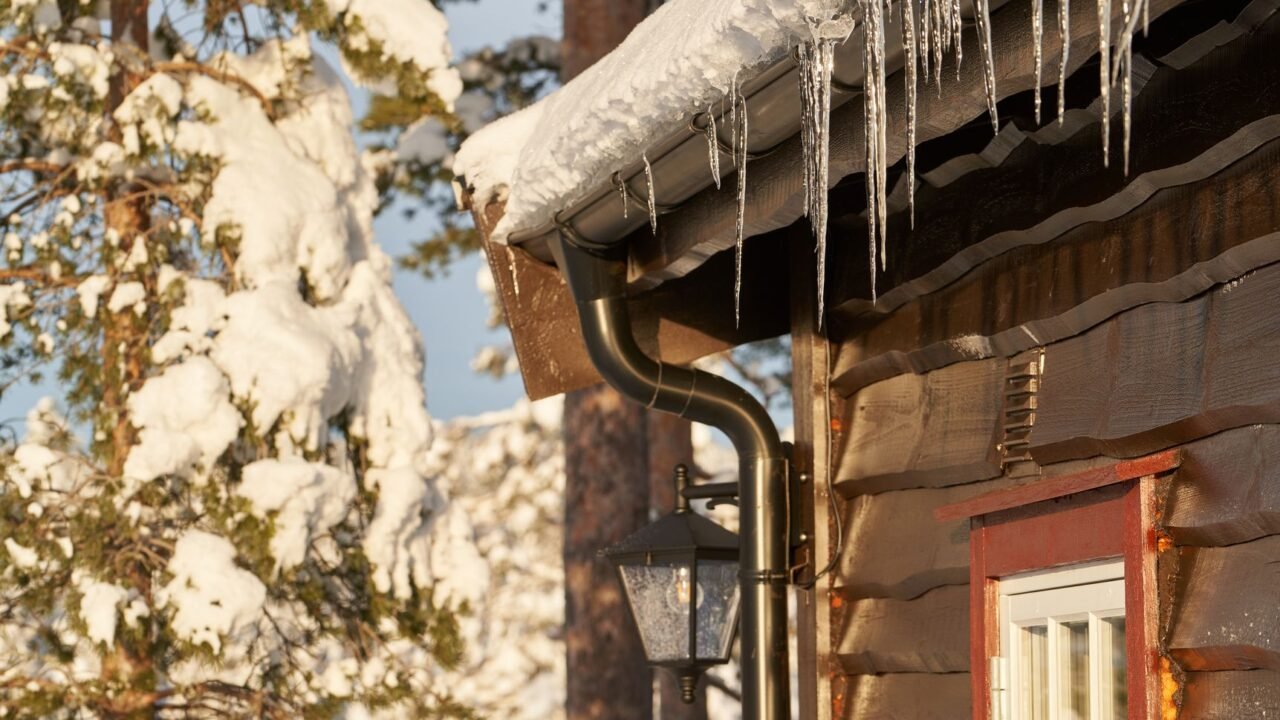
Cold weather has a way of exposing whatever maintenance got skipped during the year. Tackling a handful of key tasks before temperatures drop can prevent much bigger, more expensive problems once winter actually arrives.
1. Clean the Gutters
Clogged gutters cannot direct water away from the roof and foundation, which becomes a serious problem once that water freezes. Clearing leaves and debris before the first hard freeze protects both the roof edge and the foundation below.
2. Seal Drafts Around Windows and Doors
A simple bead of weatherstripping or caulk around drafty windows and doors pays for itself quickly in reduced heating costs, and it is one of the most affordable tasks on this list relative to its impact.
3. Have the Heating System Serviced
A furnace or heat pump that has not been serviced in the past year is more likely to fail during the exact stretch of cold weather when a repair is hardest to schedule quickly. A pre-season inspection catches most issues while there is still time to address them calmly.
4. Insulate Exposed Pipes

Pipes in unheated spaces like crawl spaces, garages, or exterior walls are at real risk of freezing and bursting in a hard freeze. Foam pipe insulation is inexpensive and takes very little time to install.
5. Check the Roof for Damage
Missing or damaged shingles that seem minor in fall can lead to leaks once snow and ice accumulate on the roof. A visual check from the ground, or a professional inspection for anything higher up, is worth doing before the weather turns.
6. Store or Winterize Outdoor Equipment
Hoses, sprinkler systems, and outdoor furniture left exposed to freezing temperatures can crack or degrade faster than expected. Draining hoses and irrigation lines and storing what can be stored extends the life of this equipment considerably.
7. Test Smoke and Carbon Monoxide Detectors
Heating systems running for the first time each season increase the risk of carbon monoxide issues, which makes this the right moment to test detectors and replace batteries if needed, even though it is not exclusively a cold-weather task.
Build a Simple Pre-Winter Checklist

Writing these seven tasks down and setting a target date, sometime in early fall for most climates, turns a list of good intentions into something that actually gets scheduled. A simple recurring reminder each year removes the guesswork of trying to recall what needs attention as the weather starts to change.
Tool and Material Details Per Task
Cleaning gutters safely requires a sturdy extension ladder, gloves, and ideally a small scoop or trowel for compacted debris, along with a garden hose to flush the downspouts once the bulk of the leaves are cleared. Sealing drafts needs both weatherstripping tape for movable parts like windows and doors, and a paintable exterior-grade caulk for gaps around window and door frames themselves, since these two materials serve different purposes and are not interchangeable. A heating system service is generally a call to a licensed technician rather than a do-it-yourself task, though changing an accessible furnace filter beforehand is a simple homeowner step that helps the technician assess the system more accurately.
Insulating exposed pipes requires only foam pipe sleeves sized to match the pipe diameter and, for particularly vulnerable spots, pipe heating tape rated for the specific application. A roof check from the ground can be done with a good pair of binoculars, saving a ladder trip for anything that does not look concerning from below. Winterizing outdoor equipment mainly requires a way to fully drain garden hoses and irrigation lines, and any leftover fuel in gas-powered equipment should be either used up or stabilized according to the manufacturer’s instructions before storage.
If You Rent Rather Than Own
Several of these seven tasks fall squarely on a landlord’s responsibility rather than a tenant’s, particularly heating system service and gutter cleaning on a building a tenant does not own. Confirming which tasks are covered by a lease or property management agreement, and requesting them formally in writing if they have not been addressed, is more appropriate than a renter taking on tasks that are the landlord’s responsibility. Tasks like sealing drafts around a specific unit’s windows and testing smoke detectors, however, are often reasonable for a tenant to handle directly, particularly in a unit where minor self-installed weatherstripping does not violate lease terms.
Common Mistakes When Winterizing a Home
Waiting until the first hard freeze warning to start these tasks is one of the most common mistakes, since many of them, particularly heating system service appointments, become harder to schedule quickly once cold weather actually arrives and every other household in the area is calling with the same request. Starting these tasks in early fall, before the seasonal rush, generally means more available appointment times and less stress overall.
Assuming a newer home does not need the same attention is another mistake; even a newly built home benefits from a first-winter check of these seven areas, since construction-related settling and initial system break-in issues can appear in the first year that would not affect an older, already-settled home.
Estimated Cost Ranges for Each Task

Gutter cleaning, done as a do-it-yourself project, costs essentially nothing beyond time and basic safety gear, while hiring it out generally runs a modest amount depending on home size and gutter length. Sealing drafts with caulk and weatherstripping is one of the least expensive tasks on the list, often achievable for well under fifty dollars in materials for an entire home. A professional heating system tune-up typically falls in a moderate cost range, which is considerably less expensive than an emergency mid-winter repair call, particularly one that happens outside normal business hours.
Pipe insulation sleeves are inexpensive per linear foot, making whole-home coverage of vulnerable pipes an affordable task even for a larger home. A professional roof inspection costs more than a basic visual check but is worth considering every few years even without visible signs of damage, particularly for a roof approaching or past the midpoint of its expected lifespan.
Why Pre-Winter Timing Matters More Than the Task List Itself
Every year, home service companies see the same predictable surge in emergency calls during the first hard freeze of the season, and the vast majority of those calls are for problems that were entirely preventable with a bit of advance attention. Scheduling pre-winter maintenance is not just about which tasks to do, it is about doing them early enough that there is still time to act if something is found wrong. A furnace inspection completed in October leaves weeks to order a part or schedule a repair before the first cold snap, while the same inspection put off until late November might mean waiting in a backlog of appointments while already relying on a system that could fail at any moment. The same logic applies to gutter cleaning before the ground freezes, since clearing debris after ice has already formed in the gutters is far more difficult and sometimes not possible until a thaw.
It also helps to work from the outside in, addressing exterior tasks first since weather can eliminate the option to do them at all once temperatures drop consistently below freezing. Sealing exterior cracks, servicing outdoor faucets, and checking weatherstripping around doors and windows all involve materials, caulk, weatherstripping adhesive, that do not cure properly in cold temperatures, so there is a genuine hard deadline tied to the weather rather than just a suggested timeline. Interior tasks like testing smoke detectors or checking the water heater have more flexibility, but treating the whole list with the same urgency avoids the common mistake of getting to the easy indoor items first and running out of good weather before tackling the more time-sensitive outdoor ones.
Keeping a Simple Record of What Gets Done Each Year
Homeowners who keep even a basic written record of pre-winter maintenance completed each year tend to catch developing problems faster than those relying purely on memory, since a record makes it obvious when a task has been skipped for two or three years in a row rather than just once. A simple note in a phone app or a paper log listing the date a furnace filter was changed, when gutters were last cleaned, and any issues a technician mentioned during an inspection creates a reference point for comparing year to year, revealing patterns like a furnace that needed increasingly frequent filter changes or a water heater that a technician noted was showing early sediment buildup two years running. This kind of record also proves useful when selling a home, since documented, consistent maintenance history is something many buyers and their inspectors specifically ask about.
It also helps when working with contractors or repair technicians, since being able to reference exactly when a system was last serviced and what was found at that time leads to more accurate diagnoses and often prevents unnecessary repeat inspections of a component that was already checked and cleared recently. A maintenance record does not need to be elaborate, a few lines per year covering the major systems is enough to provide real value, and the small amount of time it takes to maintain is consistently repaid through fewer surprises and more informed conversations with anyone hired to service the home.
Related Reading
- A Simple Seasonal Home Maintenance Checklist
- Common Home Repairs Homeowners Can Handle Themselves
- How to Spot Small Home Problems Before They Become Big Ones
- Practical Tools Every New Homeowner Should Own
- Whole-House Generators: What They Actually Cost and Require Before Installing
Frequently Asked Questions
How far in advance of winter should these tasks be completed? Starting in early to mid fall, several weeks before the first expected hard freeze in a given climate, provides enough buffer to schedule professional services like heating system inspections before the seasonal rush.
What if a heating system inspection reveals a needed repair? Addressing a flagged repair immediately, even if it seems minor, is worth the cost compared to risking a full system failure during the coldest part of the season when both comfort and pipe-freezing risk are at their highest.
Can these tasks be spread across multiple weekends? Yes, and splitting them, tackling gutters and roof inspection one weekend and drafts and pipe insulation the next, is often more manageable than trying to complete all seven in a single day, as long as the full list is finished before temperatures actually drop.
A Modest Effort Now Prevents Bigger Problems Later
None of these seven tasks takes more than an afternoon, and most take far less. Handling them before the season turns is a far smaller investment of time and money than dealing with a frozen pipe or a failed furnace once winter has already arrived. For a fuller picture of what is worth doing in every season, not just before winter, see our simple seasonal home maintenance checklist.








1 Comment