

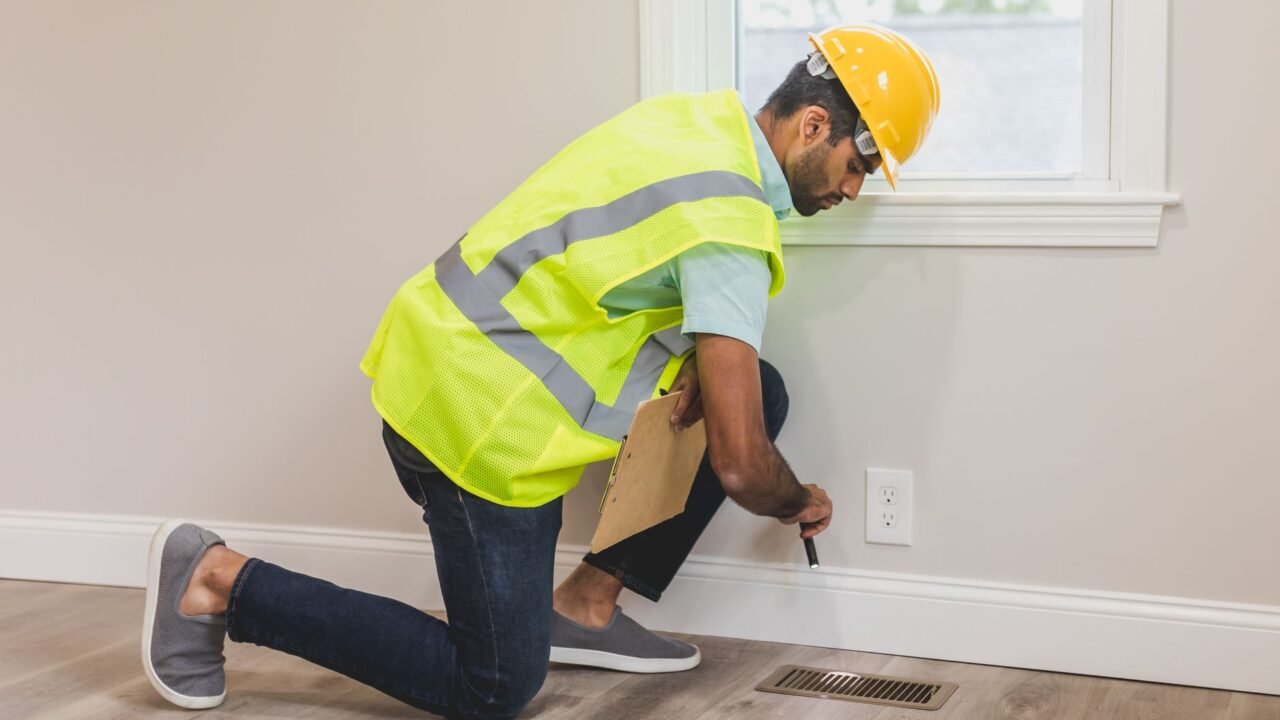
Many of the most expensive home repairs started out as small, easily fixable issues that simply went unnoticed for too long. Learning to spot early warning signs during routine activities around the house can prevent a minor issue from becoming a major expense.
Watch for Water Stains and Discoloration
A small water stain on a ceiling or wall rarely resolves on its own, and it almost always indicates a leak somewhere above or behind it. Investigating as soon as a stain appears, rather than waiting to see if it spreads, catches leaks while the repair is still simple.
Listen for Changes in Appliance Sounds
A refrigerator, dishwasher, or HVAC system that starts making a new or unusual sound is often signaling a developing problem well before it fails outright. Investigating an unfamiliar sound early is far less disruptive than dealing with a full breakdown later.
Notice Doors and Windows That Stick
A door or window that suddenly becomes harder to open or close can indicate foundation settling, humidity-related wood swelling, or hardware wearing out. While often minor, it is worth a quick check rather than simply forcing it every time.
Check for Small Cracks Regularly

Hairline cracks in drywall or a foundation are often completely normal as a home settles, but tracking whether a crack is growing over time, rather than ignoring it entirely, helps distinguish routine settling from an issue that needs professional attention.
Pay Attention to Musty Smells
A persistent musty odor, especially in a basement or bathroom, often points toward hidden moisture or early mold growth well before any visible signs appear. The EPA’s guide to mold and moisture is a useful resource for understanding when a smell like this needs more than routine cleaning. Tracking down the source while it is still a smell, rather than a visible problem, is usually a far simpler fix.
Inspect the Areas That Get Overlooked
Spaces like attics, crawl spaces, and the areas behind large appliances rarely get a casual glance during normal daily life. A periodic, deliberate check of these overlooked areas, once or twice a year, often catches developing issues that would otherwise go unnoticed until they become serious.
Keep a Simple Home Maintenance Log
Jotting down small observations, a stain that appeared, a sound that started, a door that now sticks, creates a record that makes it much easier to notice patterns and changes over time rather than relying on memory alone.
A Simple Room-by-Room Inspection Approach

Rather than trying to inspect an entire home in one pass, walking through a single room or zone each week on a rotating basis makes the habit far more sustainable. In each room, a brief check of the ceiling and upper walls for staining, the corners for cracks, window and door operation, and any noticeable odor takes just a few minutes but covers the areas where early warning signs are most likely to appear. Bathrooms and kitchens, given their exposure to water, deserve slightly more frequent attention than bedrooms or living areas, perhaps every few weeks rather than on the same rotating monthly schedule as drier rooms.
How Often to Do Deliberate Walkthroughs
Beyond the day-to-day noticing that happens naturally while living in a space, a more deliberate, systematic walkthrough of the entire home, including less-visited areas like attics, crawl spaces, and behind large appliances, is worth doing at least twice a year, often paired naturally with the spring and fall seasonal maintenance tasks described elsewhere. This dedicated time, specifically looking rather than just living in the space, catches issues that casual daily awareness alone tends to miss, particularly in areas of the home that are not part of a normal daily routine.
A Simple Home Maintenance Log Template
A log does not need to be elaborate to be useful. A simple running note with a date, a brief description, for example, ‘small water stain, corner of guest bathroom ceiling,’ and a follow-up date or resolution, is enough to track patterns over time. Reviewing this log occasionally reveals whether an issue is new, recurring, or resolved, which is considerably more reliable than trying to recall these details from memory months later when deciding whether something has gotten worse.
Seasonal Patterns Worth Watching For
Some early warning signs correlate with specific seasons and are easier to catch when a household knows what to look for at the right time. Ice dams and roof leaks tend to appear during winter thaw-freeze cycles rather than during the coldest, most stable stretch of winter. Foundation cracks are often most noticeable in late summer, when extended dry conditions can cause soil to shrink away from a foundation, only to reverse somewhat once fall rains return. Knowing these seasonal patterns helps a household focus its attention on the right issue at the right time of year, rather than treating every inspection as an equally likely time to find any given problem.
When a Small Sign Is Actually Normal

Not every crack, sound, or stain indicates a developing problem. Hairline cracks that appear during a home’s first year or two, as it settles after construction, are common and generally not cause for concern unless they grow noticeably over time. Seasonal creaking as wood expands and contracts with temperature and humidity changes is similarly normal in most homes. Learning to distinguish this kind of expected, stable behavior from a genuinely new or worsening sign, primarily by tracking whether something changes over time rather than reacting to its mere presence, prevents unnecessary worry over normal home behavior.
Training Your Senses to Notice Early Warning Signs
Most serious home problems announce themselves quietly long before they become expensive emergencies, but only to someone who has learned what to pay attention to. A faint musty smell in a basement corner, a slightly soft spot underfoot near a bathroom, or a hairline crack that appears in drywall near a doorframe are all the kind of small signals that are easy to walk past a dozen times before finally investigating, usually only after the problem has grown considerably. Building a habit of a slow, deliberate walk through the home every few months, actually looking up at ceilings, down at floor transitions, and into corners rather than just moving through rooms on autopilot, catches far more of these early signs than waiting for something to become obvious enough to interrupt daily routine.
Certain areas deserve more frequent attention than others because they are where moisture-related problems tend to start. The area under sinks, around the base of toilets, behind and under major appliances like washing machines and water heaters, and along exterior wall corners are all worth a specific look during that periodic walkthrough, since these are the spots where a slow leak can go undetected for months while causing steady damage behind the scenes. Anyone who notices a musty odor, unexplained warping, or discoloration in these areas should look closely rather than assuming it will resolve on its own, since moisture problems reliably get worse, never better, when left unaddressed, and the guide from the EPA above outlines exactly what qualifies as a problem worth acting on immediately.
Understanding Why Small Problems Compound Quickly
Many home problems follow a pattern where the cost and complexity of a fix grows disproportionately the longer a small issue is left unaddressed, which is part of why catching problems early has value well beyond just convenience. A small roof leak caught and repaired promptly might cost a few hundred dollars, but the same leak left unaddressed for a year can lead to rotted framing, damaged insulation, and mold growth that turns a simple shingle repair into a project involving structural repair and remediation costing many times more. This compounding pattern applies broadly across most home systems, plumbing, electrical, foundation, roofing, which is part of why a proactive walkthrough habit pays for itself many times over compared to a purely reactive approach to home maintenance.
It also helps to understand that some of the most costly compounding problems are the ones that are least visible during a casual glance, which is why a more deliberate, systematic walkthrough matters more than simply noticing obvious issues in passing. Checking areas that are rarely seen during normal daily movement through a home, the space behind a water heater, the underside of a bathroom vanity, the attic space above insulation, on a periodic basis specifically because they are not part of daily sightlines, catches the kind of slow-developing problems that would otherwise go unnoticed until they had already caused significant compounding damage.
Related Reading
- 7 Home Maintenance Tasks Worth Doing Before Winter
- A Simple Seasonal Home Maintenance Checklist
- Common Home Repairs Homeowners Can Handle Themselves
- The Viral Home Inventory Trend: Why More People Are Filming Every Room
- Whole-House Generators: What They Actually Cost and Require Before Installing
Frequently Asked Questions
What is the single most important area to check regularly? Areas around water sources, under sinks, around toilets, near the water heater, and along the roofline, tend to be where early problems most often originate, making them worth checking slightly more often than the rest of the home.
Should a professional inspection replace this kind of regular self-check? A periodic professional inspection, particularly for roofing and major systems, complements rather than replaces regular self-checks, since a homeowner living in the space day to day is often better positioned to notice a subtle change than an inspector seeing the home for the first time.
How can a new homeowner learn what is normal for their specific home? Paying close attention during the first few months in a new home, noting typical sounds, small existing cracks, and how doors and windows normally operate, creates a baseline that makes it much easier to recognize a genuine change later on.
Small Attention, Real Savings
Homeowners who catch small problems early are not necessarily more skilled, they are simply paying attention to a consistent set of warning signs. Building this kind of routine awareness into everyday life around the house is one of the most effective ways to avoid expensive, disruptive repairs. Once an issue is spotted, many small fixes are manageable without calling in a professional; see our list of common home repairs homeowners can handle themselves.










2 Comments