

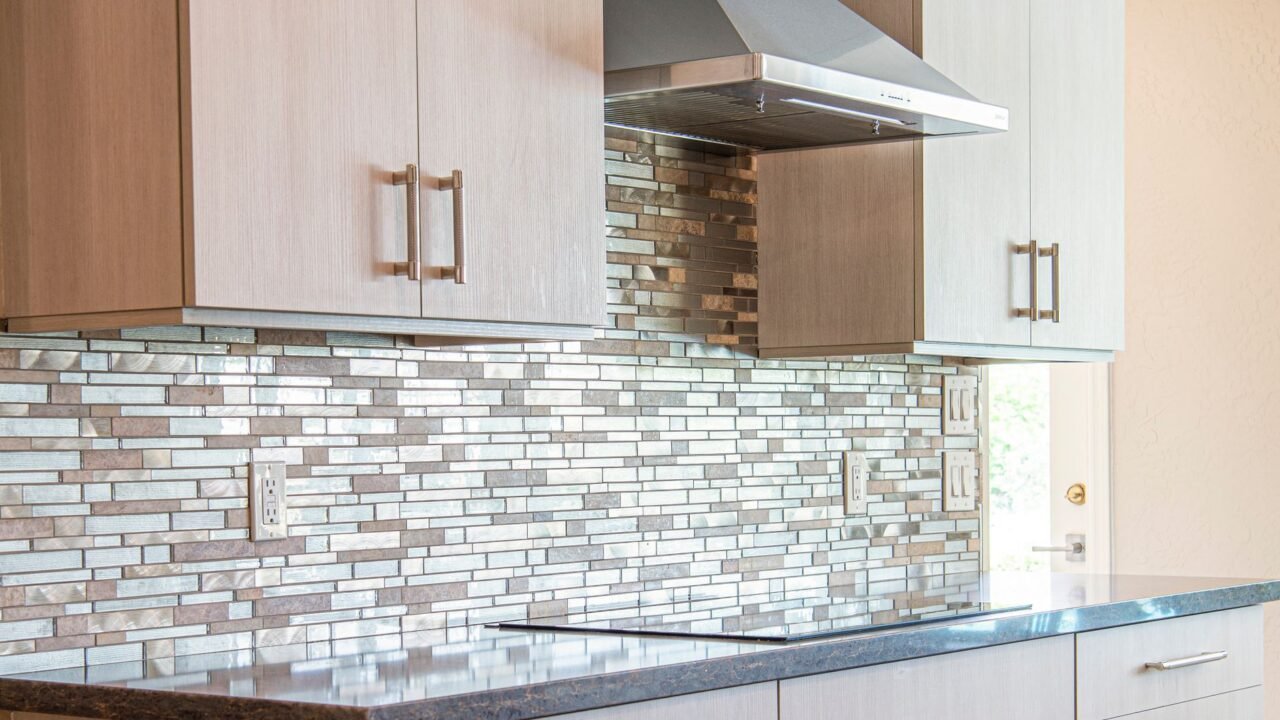
A full kitchen renovation is disruptive and expensive, but plenty of updates deliver a meaningfully improved kitchen without touching the layout, plumbing, or cabinet boxes at all. These upgrades are worth considering before committing to a larger project.
Reface or Repaint Cabinets Instead of Replacing Them
Cabinet boxes are usually the most structurally sound part of an older kitchen. Painting the doors in a current color, or having them professionally refaced with new veneer, changes the kitchen’s whole character at a fraction of full replacement cost.
Update the Backsplash
A dated backsplash is one of the most visible surfaces in a kitchen, and it is also one of the more approachable updates for a confident do-it-yourselfer, particularly with peel-and-stick or simple tile options available now.
Swap Hardware and Fixtures
New cabinet pulls, a new faucet, and updated cabinet hinges together change far more of a kitchen’s visual character than their modest cost would suggest, and none of it requires more than basic tools to install.
Add Under-Cabinet Lighting
Task lighting installed under upper cabinets improves both how a kitchen functions for food preparation and how it looks in the evening, and many current options are simple, low-voltage kits designed for straightforward installation.
Replace an Outdated Sink

An old, stained, or damaged sink stands out in an otherwise decent kitchen. Swapping it for a current style, without altering the surrounding countertop or cabinetry, is a contained project that a plumber can typically complete in a single visit.
Refresh the Walls and Ceiling
A fresh coat of paint on kitchen walls, and sometimes the ceiling as well, resets the room’s overall feel and is one of the least expensive updates on this list relative to its visual impact.
Add an Island or Cart if Space Allows
A freestanding kitchen island or a rolling cart adds counter space, storage, and sometimes seating without requiring any changes to the existing layout, which makes it one of the more flexible upgrades available to kitchens with a bit of open floor space. For more small-kitchen-specific ideas, see our guide to organizing a small kitchen that never feels cluttered.
Backsplash Material Options in Detail
Peel-and-stick tile has become a genuinely credible option rather than a temporary placeholder, with current products available in convincing stone, subway tile, and mosaic patterns that hold up reasonably well to normal kitchen conditions, though they generally are not recommended for direct exposure to intense heat right behind a range. Ceramic subway tile remains a durable, classic option that a confident do-it-yourselfer can install with basic tools, while natural stone tile offers a more premium look but typically benefits from professional installation and sealing to prevent staining.
Hardware Finish Considerations

Matte black and brushed brass have both remained popular finish choices for an extended stretch, suggesting more staying power than some past trends, while polished chrome and bright brass tend to read as more clearly tied to a specific past era. Mixing metals intentionally, black hardware with brass fixtures, for example, has become an accepted design approach, but mixing them unintentionally, simply because pieces were purchased at different times without a plan, tends to look less deliberate.
Lighting Types for a Kitchen Refresh
Under-cabinet lighting comes primarily in two types: puck lights, which cast pools of light with visible gaps between fixtures, and LED strip lighting, which provides more even, continuous illumination across the full counter run. Strip lighting is generally the better choice for actual food preparation tasks, while puck lights can be a reasonable, lower-cost option for ambiance rather than task lighting. Pendant lighting over an island, covered briefly in our lighting guide, is one of the highest-impact single fixture upgrades available for a kitchen refresh, since it improves both function and visual character simultaneously.
Rough Cost Tiers for These Upgrades
Hardware and fixture swaps sit at the lowest cost tier, generally achievable for well under two hundred dollars for an entire kitchen’s worth of cabinet hardware. Peel-and-stick backsplash and under-cabinet lighting kits fall into a moderate tier, while a full tile backsplash installed professionally, a new sink with plumbing labor, or a kitchen island move into a higher tier that can run into four figures depending on materials and local labor rates.
Sequencing These Upgrades
A logical order tackles the messiest, most disruptive work first: backsplash tiling generates the most dust and mess, so completing it before painting walls or installing new lighting avoids having to protect freshly finished surfaces. Hardware and fixture swaps are best saved for last, since they are the fastest to complete and provide an immediate, satisfying finishing touch once the larger projects are done.
Small Upgrades That Change How a Kitchen Sounds and Feels

A few less commonly mentioned upgrades can meaningfully change the daily experience of a kitchen beyond appearance alone. Adding felt or rubber bumpers inside cabinet doors and drawers reduces the noise of closing them and prevents the wear that repeated hard closing causes over time. A soft-close hinge or drawer slide retrofit kit accomplishes a similar effect for cabinets that do not already have this feature, and most are designed to be installed without replacing the entire cabinet box.
A water filtration faucet attachment or an under-sink filter system is a moderate-cost upgrade that some households find changes daily kitchen use more than a purely visual update would, particularly in areas with noticeably hard or strong-tasting tap water.
Working Around a Rental Kitchen’s Limitations
Renters can access many of these same upgrades in reversible form. Removable, high-quality peel-and-stick backsplash, discussed earlier, can typically be removed cleanly at move-out with proper technique. Cabinet hardware can be swapped as long as the original hardware is saved and reinstalled before moving out, a step worth confirming with a landlord in writing beforehand to avoid any dispute over the security deposit.
Small Upgrades That Change How a Kitchen Feels to Use
Not every meaningful kitchen improvement is visual. Some of the upgrades that make the biggest difference in day-to-day comfort are ones that change how the kitchen physically feels to work in, and these are often cheaper than the cosmetic changes people default to first. Adding an anti-fatigue mat in front of the sink or stove, where most standing time is concentrated, noticeably reduces foot and back strain for anyone who cooks regularly, and a quality mat costs a small fraction of what any cabinet or counter upgrade would run. Improving task lighting under upper cabinets is another underrated change; a kitchen that relies solely on a central overhead fixture almost always leaves the counters themselves in shadow, which makes food prep harder and less safe, and a simple battery or plug-in LED strip fixes that in under an hour.
Sound is another overlooked factor. A kitchen with hard surfaces on every side, tile floors, laminate counters, and bare walls, tends to feel loud and chaotic during meal prep or cleanup, with every dropped utensil and running faucet amplified. Adding a runner rug, replacing a noisy garbage disposal or dishwasher with a quieter current model, or simply adding a few soft textiles like dish towels hung on visible hooks instead of stuffed in a drawer can measurably soften the acoustic feel of the room. None of these changes show up in a typical before-and-after photo, but the people who actually cook in that kitchen every day tend to notice them more than they notice a new backsplash.
Sequencing Small Upgrades for the Biggest Visual Return
When budget only allows for a handful of small kitchen upgrades rather than a full renovation, sequencing them for maximum visual impact matters more than most homeowners initially consider. Cabinet hardware, faucet fixtures, and lighting tend to deliver a disproportionately large visual change relative to their cost, since these are the details a person interacts with directly and notices constantly, compared to a change like new flooring that, while more expensive, may register less immediately in daily use. Starting with these smaller, high-visibility upgrades before considering anything more expensive gives a kitchen a noticeably refreshed feel while keeping the option open to save toward a larger project later without having spent the entire budget on one item.
It also helps to complete upgrades in a sequence that avoids redoing work. Painting cabinets before replacing hardware, for example, means the new hardware goes on once rather than being removed and reinstalled for the paint job, and replacing a faucet before a new backsplash goes in avoids the risk of damaging fresh tile work while disconnecting old plumbing fixtures. Planning this kind of sequence on paper before starting, even a simple numbered list, prevents the common and frustrating experience of finishing one upgrade only to realize it now needs to be partially undone to accommodate the next one.
Related Reading
- How to Organize a Small Kitchen That Never Feels Cluttered
- Signs It’s Time to Replace a Major Kitchen Appliance
- How to Keep a Kitchen Pantry Organized Long-Term
- Best Storage Solutions for Small Kitchens: A Buying Guide
- How Much Does a Kitchen Refresh Cost? A Realistic Budget Breakdown
Frequently Asked Questions
Can these upgrades be done while a kitchen remains in daily use? Most of them, yes. Hardware swaps and lighting installation cause minimal disruption. A backsplash project or sink replacement may require using the kitchen without water or countertop access for a day or two, which is worth planning around rather than starting on a whim.
Is professional help needed for under-cabinet lighting? Many current under-cabinet lighting kits are designed for plug-in or battery installation specifically so a homeowner can install them without an electrician. Hardwired options that tie into existing wiring are more often worth professional installation.
How do I know if my cabinets are good candidates for refacing rather than replacement? Cabinet boxes that are structurally sound, no water damage, warping, or loose joints, are generally strong candidates for refacing. A cabinet box showing structural issues is a sign that refacing will not resolve the underlying problem and full replacement may be the more sensible investment.
Upgrades That Add Up
None of these changes require moving a wall or relocating plumbing, but combined, they can make a kitchen feel substantially updated. Tackling even two or three of these over time delivers much of the visual and functional benefit of a full renovation at a small fraction of the cost.