Gravel gardens have been showing up across gardening content with growing frequency, often framed as a dramatic before-and-after: a thirsty, high-maintenance lawn replaced with a textured bed of gravel, drought-tolerant plantings, and striking dried grasses that need almost no watering once established. The appeal is obvious in an era of rising water costs and increasingly common regional watering restrictions, but the viral version of this trend tends to skip past several practical details that determine whether a gravel garden actually delivers on its low-maintenance promise or becomes a different kind of ongoing chore.
For a broader look at reducing yard upkeep beyond just water use, our guide on low-maintenance landscaping ideas for busy homeowners covers additional strategies that pair well with a gravel garden.
What a Gravel Garden Actually Involves Beyond Just Adding Gravel
A properly built gravel garden is not simply lawn removed and gravel poured on top, which is a shortcut that reliably fails within a year or two as weeds establish through thin gravel and the underlying soil compacts unevenly. The version that actually performs long-term involves proper grading for drainage, a landscape fabric or, in more advanced approaches, a deep gravel mulch layer thick enough to genuinely suppress weed germination, and plant selection specifically chosen for the free-draining, low-nutrient conditions gravel creates rather than typical garden plants that assume regular moisture and richer soil. Skipping any of these foundational steps is the most common reason a homeowner attempts this trend and ends up with a gravel bed full of weeds within a single growing season, effectively creating more work than the lawn it replaced.
Choosing Plants That Genuinely Thrive in Gravel Conditions
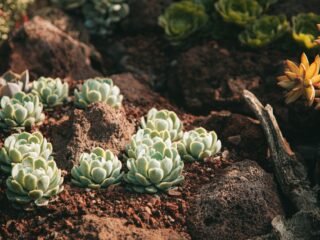
The plants that make gravel gardens visually striking in viral photos, ornamental grasses, sedums, lavender, and various Mediterranean-climate natives, are specifically chosen because they tolerate or even prefer the fast-draining, lower-moisture conditions gravel creates, rather than merely surviving despite them. Attempting the same look with plants suited to regular garden soil and consistent moisture typically results in stressed, struggling plants that need constant supplemental watering, which defeats the entire water-saving premise of the trend. Researching which specific plants are both suited to gravel conditions and hardy in a specific regional climate zone, rather than copying a plant list from content filmed in a completely different climate, is the single most important factor in whether the finished result actually reduces maintenance and water use as promised.
Realistic Cost and Timeline Expectations
Gravel gardens are often framed as a budget-friendly lawn alternative, and the ongoing water savings genuinely can be substantial over time, but the upfront cost of proper grading, quality landscape fabric, an adequate depth of gravel, and drought-tolerant plants is not necessarily cheaper than reseeding a lawn, particularly for a larger yard. The realistic payoff is in reduced water bills and reduced ongoing labor over several years rather than a lower initial project cost, and expecting the reverse leads to disappointment when the first invoice for materials and installation arrives.
Regional Climate Considerations That Change the Whole Approach
A gravel garden that performs beautifully in a dry, low-humidity climate can develop a different set of problems in a humid region, where gravel beds can trap moisture at the soil surface in ways that encourage fungal issues in susceptible plants, and heavy seasonal rainfall can wash finer soil particles up through gravel over time, undermining the weed-suppressing barrier that made the bed low-maintenance in the first place. This trend, like most viral landscaping content, tends to be filmed disproportionately in dry Western climates, and directly copying it in a humid Southeastern or Midwestern climate without adjusting plant choices and drainage planning is a common and costly mistake.
How Gravel Gardens Handle Foot Traffic and Furniture
A detail rarely addressed in viral gravel garden content is how the finished bed handles anything beyond passive viewing, since loose gravel shifts and displaces under regular foot traffic or furniture legs in a way a lawn simply does not. Areas intended for actual use, a path, a seating spot, a spot where a grill or table will sit, generally need a firmer surface treatment, stepping stones set into the gravel or a compacted base layer, planned into the design from the start rather than added as an afterthought once the gravel has already been placed and settled. Treating a gravel garden purely as a viewing bed rather than a walkable surface, unless that firmer foundation work has specifically been done, avoids both an unstable walking surface and gravel that migrates and thins out in high-traffic spots faster than the rest of the bed.
Seasonal Upkeep the Trend Rarely Shows
Even a well-installed gravel garden benefits from a modest annual maintenance pass that viral before-and-after content, by its nature, does not show since it typically ends at the initial reveal. Leaves and organic debris that fall into gravel over autumn and winter need occasional clearing, since decomposing organic matter sitting on top of gravel gradually creates the same nutrient-rich surface layer that allows weeds to establish despite the underlying weed barrier. A yearly check of the landscape fabric edges, topping up gravel in any areas that have thinned from foot traffic or runoff, and a light weeding pass in spring keep a gravel garden performing at the low-maintenance level the trend promises, rather than the higher-maintenance reality that develops in a completely neglected gravel bed after a few years.
Weighing the Environmental Trade-Offs Honestly
Gravel gardens are often presented as an unambiguously eco-friendly choice compared to a traditional lawn, and the reduced water use is a genuine environmental benefit in drought-prone regions. It is worth noting the trade-off is not entirely one-sided, since a lawn, however water-intensive, still supports some degree of soil biology and can absorb rainfall more readily than a gravel surface over an impermeable landscape fabric layer, which can increase runoff during heavy rain in a way that a live lawn does not. Choosing a permeable landscape fabric or skipping fabric in favor of a thick organic mulch layer under gravel, and incorporating a meaningful number of the drought-tolerant plants rather than gravel with only sparse, minimal planting, keeps the overall environmental trade-off favorable rather than simply shifting one resource concern for another.
Combining Gravel With a Small Amount of Traditional Lawn
A full lawn-to-gravel conversion is not the only option, and many households find a hybrid approach, converting only the sections of a yard that see the least foot traffic or receive the harshest sun exposure, while retaining a smaller, more manageable lawn area for the specific spots where bare feet, pets, or play actually happen, delivers most of the water savings without eliminating the specific soft-surface function a lawn provides that gravel cannot replicate. This partial approach also spreads the upfront cost and labor across a smaller initial project, making it a more approachable starting point than converting an entire yard at once.
Frequently Asked Questions
Is a gravel garden truly maintenance-free?
Not entirely. It significantly reduces watering and mowing needs but still requires occasional weeding, especially in the first year or two, and periodic replenishment of gravel that settles or gets displaced over time.
Can I install a gravel garden myself?
Basic gravel gardens are DIY-feasible, but proper grading for drainage is worth getting right from the start, since correcting poor drainage after installation is far more disruptive than planning for it initially.
Will this work in a humid climate?
It can, but plant selection and drainage planning need to account for higher moisture and rainfall, which differs meaningfully from the dry-climate examples most viral gravel garden content is filmed in.