

Not every homeowner has the time or interest to maintain an elaborate landscape, and that is a completely reasonable starting point for planning a yard. A landscape built around low-maintenance choices from the outset requires far less ongoing work than one retrofitted after the fact.
Choose Native and Drought-Tolerant Plants
Plants suited to the local climate generally need less watering, less fertilizing, and less overall intervention than varieties that require conditions unlike what the region naturally provides. A local garden center or extension office can usually point toward the most reliable low-maintenance options for a specific area.
Reduce Lawn Area
Lawns are one of the highest-maintenance elements in most yards, requiring regular mowing, watering, and fertilizing to look good. Replacing a portion of lawn with mulched beds, groundcover, or hardscape reduces the total maintenance burden without leaving the yard feeling bare.
Use Mulch Generously
A consistent layer of mulch across garden beds suppresses weeds, retains soil moisture, and reduces how often beds need attention. Refreshing mulch once or twice a year is a far smaller time investment than the ongoing weeding an unmulched bed requires.
Group Plants by Water Needs
Plants with similar water requirements grouped together can be watered efficiently as a single zone, rather than requiring constant adjustment for a mix of thirsty and drought-tolerant plants scattered throughout a bed. This single planning decision meaningfully reduces watering time.
Install a Simple Irrigation System
A basic drip irrigation system on a timer removes watering from the daily task list entirely and tends to use water more efficiently than manual watering with a hose. Even a simple setup covering just the garden beds can make a noticeable difference in weekly maintenance time.
Choose Slow-Growing Shrubs and Trees
Fast-growing plants often require more frequent pruning to keep them in bounds. Choosing naturally slower-growing or compact varieties for foundation plantings reduces how often trimming is needed to keep a yard looking tidy.
Add Hardscape Where Lawn Struggles Anyway
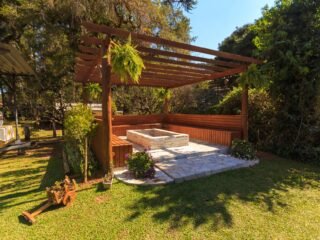
Shaded or heavily trafficked areas where grass consistently struggles are good candidates for a gravel path, stepping stones, or a small patio instead of continued lawn maintenance in a spot that was never going to thrive as grass.
Plant Categories That Fit a Low-Maintenance Yard
Ornamental grasses are among the most reliable low-maintenance plant categories, since most varieties need minimal watering once established, require only a single cutback each year rather than ongoing pruning, and add movement and texture that flowering plants cannot replicate. Groundcovers, low-growing spreading plants that fill in bare soil, reduce both weeding and mulching needs over time by physically crowding out weeds and shading the soil, though it is worth choosing a groundcover suited to the specific light and soil conditions of the area rather than assuming any groundcover will spread reliably everywhere.
Flowering perennials selected specifically for the local climate, rather than annuals that need replanting every year, reduce both cost and ongoing labor over time, since a well-chosen perennial returns on its own each season without repurchasing or replanting. A local garden center can typically point toward the perennials most reliable for the specific regional climate and soil type.
Maintenance by Season for a Low-Maintenance Yard
Even a low-maintenance landscape benefits from a light seasonal rhythm rather than complete neglect. Spring calls for refreshing mulch, cutting back ornamental grasses from the previous season, and checking irrigation lines for any damage from winter freezing. Summer maintenance is largely limited to monitoring the drip irrigation system and spot-checking for any plants that may be struggling despite their drought-tolerant reputation, since even hardy plants need attentive watering during their first year while establishing roots.
Fall is a reasonable time for a light pruning of any shrubs that have grown beyond their intended footprint and for planting new perennials or shrubs, giving them a full season to establish roots before the following summer’s heat. Winter generally requires the least attention of any season for a well-established low-maintenance yard, though it is worth checking that mulch layers remain adequate to protect plant roots through freezing temperatures.
Common Low-Maintenance Landscaping Mistakes
Assuming ‘low-maintenance’ means ‘no maintenance during the first year’ is one of the most common and costly mistakes. Even the hardiest drought-tolerant plants need consistent watering during establishment, typically the first full growing season, before their root systems are developed enough to rely on natural rainfall alone. Skipping this establishment period frequently results in plant loss that then requires costly replanting.
Overplanting is another frequent issue: spacing plants too closely based on their appearance at purchase, rather than their mature size, leads to overcrowding within a season or two, which then requires the very pruning and thinning labor the low-maintenance approach was meant to avoid. Checking mature size on plant tags and spacing accordingly, even when it looks sparse initially, prevents this.
Balancing Low-Maintenance With Visual Interest
A yard built entirely around ease of care can sometimes end up feeling monotonous if every plant shares a similar texture and bloom time. Choosing a small number of plants with staggered bloom periods, so that something is flowering across most of the growing season rather than all at once, keeps a low-maintenance yard visually interesting without significantly increasing the workload, since the maintenance burden comes primarily from plant quantity and fussiness rather than variety itself.
Reducing Lawn Without Losing Yard Function
Reducing lawn area does not need to mean giving up open space entirely. Replacing lawn at the edges and in hard-to-mow corners, tight spots against a fence, narrow side yards, slopes that are awkward to mow safely, with mulched beds or groundcover first preserves a central open lawn area for activities while still meaningfully reducing the total mowing and watering burden. This edge-first approach also tends to look more intentional than removing lawn in a random or piecemeal pattern.
Choosing a Mulch Type

Organic mulches, shredded bark or wood chips, break down over time and improve soil quality as they decompose, though they need replenishing every one to two years. Inorganic options like decorative gravel or rock do not break down and need far less frequent replacing, making them a reasonable choice for areas where soil improvement is not a priority, though they do not offer the same water-retention benefit that organic mulch provides for plant roots. A two- to three-inch mulch layer, refreshed on whichever schedule suits the material chosen, is generally sufficient to suppress most weed growth without being so deep that it smothers plant roots.
Choosing Groundcovers That Actually Reduce Maintenance
A common mistake in low-maintenance landscaping is assuming that any groundcover automatically means less work, when in practice some popular choices create more maintenance than the lawn they replaced. Certain fast-spreading groundcovers can become invasive within a couple of seasons, creeping into garden beds and neighboring lawns and requiring regular pulling to keep contained, which defeats the entire purpose of choosing them. The better approach is to look for groundcovers rated for your specific region that spread at a moderate, predictable pace and that a local extension office or master gardener program can confirm are well-behaved in your area. Native groundcovers are usually the safest bet, since they have evolved to handle local rainfall and temperature swings without extra watering or fertilizing once established.
Mulch depth and type deserve more attention than most homeowners give them, because the right mulch strategy can cut weeding time dramatically on its own. A layer of two to three inches of organic mulch, refreshed once or twice a year, suppresses most weed seeds from germinating while also holding soil moisture so plants need less frequent watering. Thinner mulch layers look tidy at first but let weeds through within weeks, while excessively deep mulch can smother plant roots and encourage rot against stems. Combining a well-chosen groundcover with a properly maintained mulch layer around remaining beds is often enough to cut regular yard maintenance time by half compared with a traditional all-lawn yard.
Sequencing a Low-Maintenance Landscape Conversion Over Time
Converting a high-maintenance yard to a low-maintenance one all at once can be expensive and overwhelming, but breaking the project into phases over a couple of seasons makes it far more manageable financially and physically. A reasonable first phase focuses on the areas that currently demand the most ongoing work, often a section of lawn that requires frequent mowing and watering despite getting little actual use, converting that specific area first to a groundcover, mulch bed, or gravel feature before tackling the rest of the yard. This phased approach also allows time to observe how a chosen low-maintenance solution performs through a full season before committing the entire yard to the same approach, which reduces the risk of a costly mistake being applied across the whole property at once.
Irrigation adjustments should happen alongside each phase rather than as an afterthought, since a converted low-maintenance area still connected to a sprinkler zone designed for thirsty turf grass will either be overwatered or require an inefficient manual workaround. Installing drip irrigation or simply capping off unnecessary sprinkler heads in the newly converted area as each phase is completed keeps water use aligned with the actual needs of the new plantings. Consulting a local extension office resource for region-specific guidance on which low-maintenance plants and irrigation adjustments perform best in a given climate helps ensure each phase of the conversion succeeds rather than needing to be redone.
Related Reading
- Simple Garden Updates That Can Transform a Backyard
- How to Start a Small Vegetable Garden From Scratch
- Creating an Outdoor Living Space on a Modest Budget
- Gravel Gardens Are Going Viral: A Realistic Look at Low-Water Landscaping
- How Much Does It Cost to Landscape a Backyard on a Budget?
- No-Mow Lawns Are Trending: What Replacing Grass Actually Involves
Frequently Asked Questions
How long before a low-maintenance yard is truly low-maintenance? Most transformed yards need one to two full growing seasons of more attentive care, primarily watering, while new plants establish, before settling into the reduced maintenance routine the design is intended to provide long-term.
Can an existing high-maintenance yard be converted gradually? Yes, and a gradual, section-by-section conversion is often more manageable than an all-at-once overhaul, both for budget reasons and because it allows adjustments based on what performs well in the specific yard before committing to a full redesign.
Do low-maintenance yards still need any fertilizer? Native and well-adapted plants generally need considerably less fertilizer than high-maintenance ornamentals, and over-fertilizing can sometimes cause more foliage growth than the plant’s structure can support, so a light, infrequent feeding schedule rather than a heavy regular one is usually sufficient.
A Yard That Fits Real Life
A low-maintenance landscape is not a compromise, it is simply a yard designed around how much time a household actually wants to spend on upkeep. Built thoughtfully, it can look just as intentional and attractive as a higher-maintenance design, with far less ongoing work required to keep it that way. For quicker, more visual changes rather than a full landscape overhaul, our roundup of simple garden updates that can transform a backyard is worth a look.