
Landscaping cost estimates online tend to swing wildly, and the reason is simple: “landscaping” covers everything from a bag of mulch to a full outdoor renovation with retaining walls and irrigation systems. This guide breaks the cost down by project tier, so a homeowner working with a modest budget can see where their project actually lands rather than being scared off by a headline number that describes a much larger scope.
As with any cost guide, every figure below is a general range, not a quote, and actual pricing depends on region, yard size, existing conditions, and material choice. The value here is in understanding what drives cost within each category, so a homeowner can make informed tradeoffs rather than guessing.
The Cheapest Tier: Maintenance and Cleanup
Before any new landscaping investment, a surprising amount of visual improvement comes from cleanup alone: removing overgrown or dead plants, edging existing beds cleanly, and applying fresh mulch. This tier is inexpensive largely because it does not involve new plant material or hardscaping, and much of it is realistic to DIY over a weekend with basic tools. Fresh mulch alone, priced by the cubic yard or by the bag depending on quantity needed, is one of the best value-for-cost changes available in landscaping, since it instantly makes existing beds look intentional rather than neglected.
Budget Tier: New Plants and Basic Layout Changes
Moving into new plant material, the budget tier typically covers foundation plantings around the house, a defined bed border, and inexpensive groundcover in areas where grass struggles. Cost here is driven almost entirely by plant size and maturity: a small perennial in a one-gallon container costs a fraction of a mature shrub in a larger container, and the tradeoff is patience, since the smaller plants simply take longer to fill in. Choosing plants appropriate to the local climate and soil also matters more for cost than it might seem, since a plant poorly suited to the site often needs replacing within a year or two, effectively doubling its real cost.
Mid-Range Tier: Irrigation and Low-Maintenance Hardscaping
A basic drip irrigation system, gravel paths, or a simple gravel garden area move a project into the mid-range tier. Drip irrigation costs considerably more than doing nothing, but it also reduces water waste and plant loss significantly compared to hand-watering, which for many homeowners pays for itself over a few seasons through both lower water bills and fewer plant replacements. Gravel as a landscaping material sits well below poured concrete or pavers in material cost, and it also generally requires less professional installation labor, which is why it shows up so often as the budget-conscious choice for paths and low-maintenance yard areas. The realistic cost and upkeep tradeoffs of a gravel-based yard are covered in more depth in Gravel Gardens Are Going Viral: A Realistic Look at Low-Water Landscaping.
Higher-End Tier: Retaining Walls, Patios, and Structures
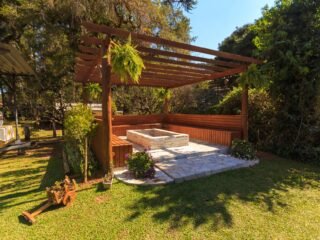
Retaining walls, poured or paver patios, pergolas, and built-in seating are where landscaping costs climb the fastest, largely because they require both more material and more skilled labor than planting or gravel work. A retaining wall in particular varies enormously in cost depending on height and the engineering required, since a wall above a certain height typically requires permitting and structural design regardless of material. Patios follow a similar pattern: a simple gravel or paver patio costs considerably less than a poured concrete patio with decorative finishing, and both cost less than a raised deck structure, which adds framing and often a permit requirement on top of the surface material itself.
What Actually Drives Landscaping Cost Beyond Materials
Several factors outside plant and material choice reliably move a project budget. Slope and drainage issues add cost because they often require grading or drainage solutions before any planting or hardscaping can begin, and a yard with existing drainage problems that gets landscaped without addressing them first tends to have expensive failures later. Access matters too: a backyard reachable only through a narrow side gate costs more to landscape than one with wide vehicle access, since materials and equipment have to be moved by hand rather than machine. And removing existing hardscaping, old concrete, a falling-down structure, or an overgrown root system, adds real demolition and disposal cost that is easy to underestimate when planning around the new project alone.
Phasing a Project Instead of Doing It All at Once
For a genuinely modest budget, phasing a landscaping project over one or more seasons is one of the most effective ways to get a fully landscaped yard without financing the entire project at once. A sensible phase order usually starts with structural and drainage issues, since those get more expensive to fix once other landscaping is built around them, followed by hardscaping that other elements will depend on, like a patio or path, and finishes with plants and finishing touches, since those are the easiest and cheapest to add or adjust later without disturbing anything already built. A broader approach to building an outdoor living space in phases on a modest budget is covered in Creating an Outdoor Living Space on a Modest Budget.
Where DIY Genuinely Saves Money
Planting, mulching, basic bed edging, and even simple gravel path installation are all realistic DIY projects for a homeowner willing to put in the physical labor, and labor is the largest cost component in most of these categories. Retaining walls above a modest height, anything involving drainage engineering, and electrical work for outdoor lighting are considerably riskier to DIY, both because mistakes are expensive to redo and because some of this work may require permits or licensed installers depending on local code. Irrigation systems sit in between: a simple drip system for a small number of beds is DIY-realistic, while a full in-ground sprinkler system for an entire yard is a bigger undertaking usually worth quoting professionally.
Low-Maintenance Choices That Reduce Long-Term Cost
Upfront cost is only part of the picture, since ongoing maintenance cost compounds over years. Drought-tolerant and native plants typically need less water and less replacement than plants poorly suited to the local climate. Reducing lawn area in favor of beds, groundcover, or hardscaping cuts down on the recurring cost of mowing, watering, and fertilizing a lawn. Practical, lower-maintenance landscaping choices that reduce long-term upkeep without sacrificing how a yard looks are covered in more detail in Low-Maintenance Landscaping Ideas for Busy Homeowners.
How Regional Climate Changes the Cost Picture
Region affects landscaping cost in ways that go beyond simple labor rate differences. In drier climates, water-wise landscaping choices like gravel, native plants, and drip irrigation are not just a stylistic preference, they often meaningfully reduce a water bill that can otherwise become a significant ongoing cost, and some water utilities in drought-prone areas even offer rebates for replacing lawn with lower-water landscaping. In colder climates, plant selection has to account for winter hardiness, and hardscaping materials need to tolerate freeze-thaw cycles without cracking, which sometimes pushes material choice toward a higher-cost option that will not need replacing after a few winters. Checking what applies locally before finalizing a plant or material list avoids the cost of redoing work that failed for a climate reason rather than an installation reason.
A Sample Phased Timeline for a Modest Budget
For a yard being landscaped gradually rather than all at once, a reasonable phase order across two or three seasons might look like this. The first season addresses drainage and grading issues if any exist, since these are the most expensive to fix once anything else is built around them, along with any structural hardscaping like a retaining wall that other phases will depend on. The second season adds the primary hardscaping a homeowner actually wants to use, a patio, a path, or a seating area, since these get more enjoyment out of a yard immediately rather than waiting for the final finishing touches. The third season fills in plants, additional mulch, and smaller finishing details, since these are both the cheapest phase and the most forgiving if plans change partway through, plants and mulch are far easier to adjust than a poured patio.
Financing Larger Landscaping Projects
For projects that move well beyond a do-it-yourself weekend budget, financing options mirror those available for other home improvement projects: a home equity line of credit, a personal loan, or financing offered directly through a landscaping contractor or materials supplier. As with any financing decision, the terms matter more than the headline offer, a promotional low-interest period that converts to a much higher rate after a set number of months can end up costing more than a straightforward personal loan with a fixed, if higher, starting rate. Reading the full terms and calculating the total cost over the actual expected payoff timeline, not just the promotional period, is worth the extra time before signing anything.
Getting an Accurate Number for a Specific Yard
Because slope, soil, existing conditions, and regional material and labor costs vary so much, the only reliable way to get a number that actually applies to a specific yard is an on-site quote. Getting quotes from more than one landscaper for the same defined scope helps catch both an unusually high price and a quote that may be missing a step, such as drainage work that only becomes apparent after the site is walked.
Frequently Asked Questions
What single change gives the most visual impact for the lowest cost?
Fresh mulch and clean bed edges consistently rank as the highest-impact, lowest-cost change available, since they make existing landscaping look intentional and maintained without any new plant material.
Is gravel landscaping actually cheaper than a lawn long-term?
Gravel typically costs more upfront than simply keeping an existing lawn, but it usually costs less over time than a lawn once watering, mowing, and fertilizing are factored in, particularly in drier climates.
Do retaining walls always require a permit?
It depends on height and local code, but many jurisdictions require a permit and engineered design once a wall exceeds a modest height, since a failed retaining wall can be a safety hazard.
Is it worth landscaping a yard before selling a home?
Basic cleanup, mulch, and simple bed maintenance tend to have a strong return relative to cost when preparing a home for sale, since curb appeal affects a buyer first impression before they even walk inside.