

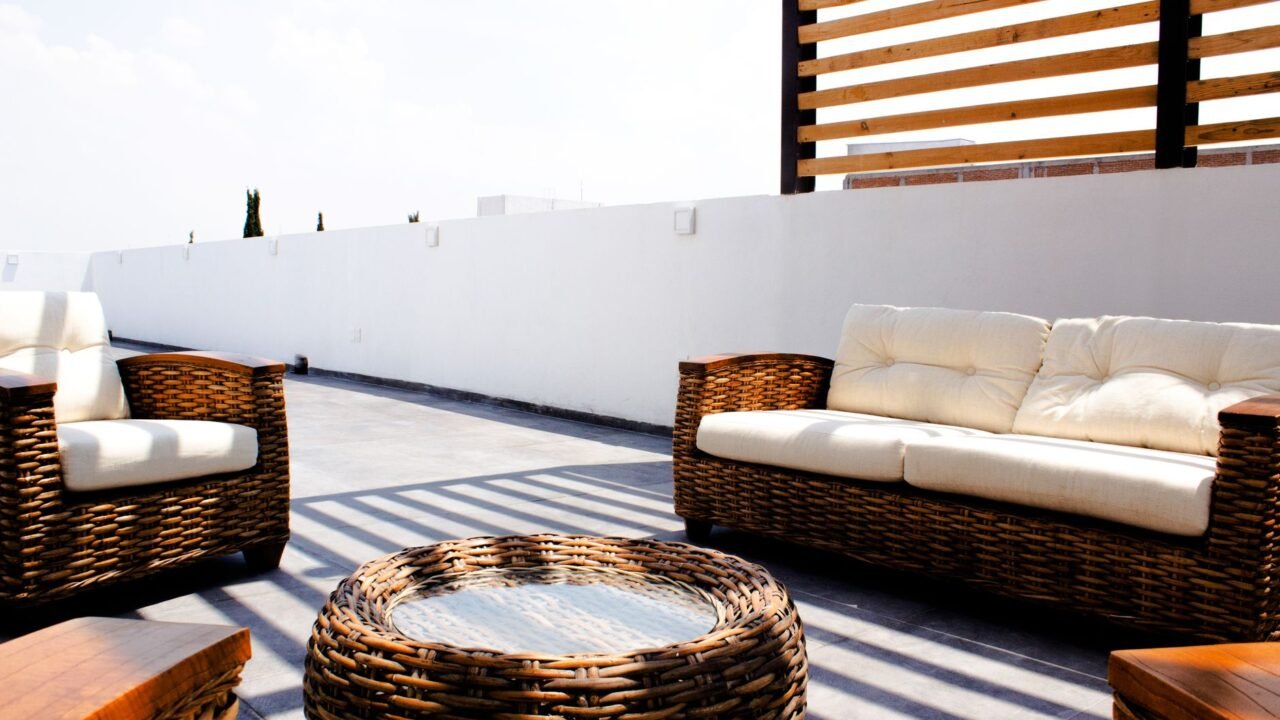
An outdoor living space does not require an expensive kitchen or a full patio replacement to feel like a genuine extension of the home. A few well-chosen elements, added gradually, can create a comfortable outdoor room on a fraction of a professional renovation’s budget.
Define the Space First
Before buying furniture, it helps to define the boundaries of the outdoor space, even informally. A rug rated for outdoor use, a cluster of planters, or a simple pergola kit all signal where the living area begins and ends, which makes the space feel intentional rather than like a random corner of the yard.
Prioritize Comfortable Seating Over Everything Else
A space with genuinely comfortable seating gets used far more often than one with more decorative elements but uncomfortable chairs. If the budget only allows for one investment, quality seating, even a modest set with supportive cushions, tends to deliver the most day-to-day value.
Add Shade Without a Full Structure
A large market umbrella or a simple shade sail costs a fraction of a built pergola or roof extension and makes a significant difference in how usable a space is during peak sun. This is often the difference between a space that gets used daily and one that only gets used in the evening.
Use Lighting to Extend the Hours

String lights, solar lanterns, or a couple of battery-powered lamps let an outdoor space stay usable well past sunset without any electrical work. This single addition often does more to increase how often a space gets used than any other single change.
Add Greenery in Containers
Container plants add life and color to a space without the cost or commitment of in-ground landscaping, and they can be rearranged easily as the space evolves. A mix of a few larger statement pots and several smaller ones tends to look more considered than uniform rows of identical planters.
Build the Space in Phases
Trying to furnish and finish an outdoor space in a single purchase is expensive and often leads to choices made in a rush. Adding one element at a time, seating first, then shade, then lighting, then greenery, spreads the cost out and allows each addition to be chosen more deliberately.
Flooring and Surface Options for Different Budgets
The surface underfoot sets the tone for an outdoor living space more than almost any single furniture choice. An existing concrete patio can be refreshed inexpensively with a concrete stain or paint designed for outdoor use, instantly updating a dated or stained slab without the cost of replacement. Interlocking deck tiles, which sit directly over an existing concrete or dirt surface without any permanent installation, are a mid-range option particularly well suited to renters or anyone not ready to commit to a permanent change. For a larger investment, pavers or natural stone offer a more finished, permanent look, though they typically require professional installation for a proper base and drainage.
An outdoor rug, mentioned as part of defining the space, is worth choosing specifically for outdoor-rated material even over a surface that is itself already outdoor-appropriate, since standard rugs degrade quickly when exposed to moisture and UV light.
Weatherproofing Furniture and Fabrics
Furniture material choice significantly affects how much maintenance an outdoor space requires over time. Resin wicker and powder-coated aluminum both resist weather well with minimal upkeep, making them reasonable choices for a space that will not be covered or stored regularly. Natural wood furniture, while often more attractive initially, requires more regular maintenance, periodic sealing or oiling, to prevent graying and cracking from sun and moisture exposure.
Cushions and fabric specifically rated for outdoor use, typically made from solution-dyed acrylic rather than standard cotton or polyester blends, resist fading and mildew considerably better than indoor fabrics brought outside. For a household not ready to invest in outdoor-rated cushions immediately, storing standard cushions indoors or in a deck box whenever not in active use extends their usable life considerably compared to leaving them exposed to the elements continuously.
Common Mistakes in Budget Outdoor Spaces
Buying furniture before defining the space’s boundaries, covered earlier, is one common mistake, but a second, related issue is buying furniture sized for the eventual, fully built-out vision of the space rather than what fits comfortably right now. Purchasing a large sectional meant for a future covered patio, when currently working with just a small uncovered slab, can make an early-stage outdoor space feel cramped rather than inviting.
Neglecting drainage and surface preparation is another mistake that often only becomes apparent after the fact. Furniture and rugs placed directly on a surface that pools water after rain will develop mold or mildew issues considerably faster than the same setup on a well-draining surface, making a simple check of how water behaves on the chosen spot after a rainstorm worth doing before investing in furnishings.
Making a Small Outdoor Space Feel Larger
Many of the same principles that apply to a small indoor room apply outdoors as well. Furniture with visible legs rather than solid bases, a light and cohesive color palette across cushions and accessories, and keeping surfaces relatively clear of clutter all help a compact patio or balcony feel more open than it might with heavier, more visually dense choices.
Adding Privacy Without a Permanent Structure
Many outdoor living spaces, particularly those on a shared property line or a visible balcony, benefit from some degree of privacy without the cost of a permanent fence or wall. Tall potted plants or a bamboo screen panel can be positioned to block a specific sightline, from a neighboring window or a street-facing angle, without requiring any permanent construction or landlord approval in most rental situations. Outdoor curtains hung from a pergola or simple frame achieve a similar effect while also providing some additional shade and a softer, more enclosed feel to the space.
Sound and Comfort Beyond Furniture

Comfort in an outdoor space extends beyond seating and shade. A small outdoor rug underfoot changes how a hard patio surface feels considerably, and a portable fan or misting attachment can extend a space’s usability into hotter parts of the day that would otherwise be avoided entirely. In cooler climates or seasons, a small portable fire pit or a couple of outdoor-rated heaters can extend usable hours into the evening and shoulder seasons that a purely warm-weather setup would otherwise miss.
Layering an Outdoor Space So It Feels Finished
One reason budget outdoor living spaces sometimes feel unfinished even after real money and effort have gone into them is that they skip the layering that makes a space feel intentional. A patio with just a table and chairs on bare concrete reads as temporary no matter how nice the furniture is, while the same furniture placed on a simple outdoor rug, with a couple of potted plants at different heights and a string of warm-toned lights overhead, reads as a real living space. This kind of layering does not require a large budget. A remnant piece of outdoor-rated rug, planters built from inexpensive containers, and solar-powered string lights can transform the same footprint for well under a hundred dollars, and the visual difference is often more noticeable than the price tag would suggest.
Shade and privacy are the two elements most often forgotten until the space is already in use, at which point retrofitting them feels like starting over. A single well-placed umbrella, a retractable shade sail, or even fast-growing potted bamboo along one side can make the difference between a space that gets used every evening and one that gets used a handful of times a summer because it is too exposed to sun or too visible to neighbors. It is worth spending time actually sitting in the space at different times of day before finalizing furniture placement, since the sun angle that feels pleasant at 10 in the morning can be uncomfortably harsh by 4 in the afternoon.
Choosing Furniture That Survives Real Outdoor Conditions
Outdoor furniture that looks great in a showroom sometimes fails quickly once exposed to actual weather, and understanding material differences before buying prevents an expensive mistake. Materials like teak, aluminum, and synthetic wicker rated specifically for outdoor use tend to hold up across seasons of sun and moisture exposure with minimal maintenance, while furniture made from materials not specifically rated for outdoor conditions, even if it looks similar, can warp, rust, or fade within a single season of regular exposure. Checking a product description specifically for outdoor or all-weather rating, rather than assuming any furniture displayed near outdoor sections of a store is appropriate for permanent outdoor placement, is a simple step that prevents a common and costly mistake.
Cushions and fabric elements deserve equal attention to the furniture frames themselves, since fabric is usually the first part of outdoor furniture to show wear. Quick-drying foam designed for outdoor cushions, paired with a fabric rated for UV and moisture resistance, prevents the mildew smell and fading that regular indoor foam and fabric develop within weeks of outdoor exposure. A storage plan for cushions during periods of heavy rain or the off-season, even something as simple as a deck box, extends their usable life considerably and is worth factoring into the total cost of an outdoor furniture purchase rather than treating cushions as an afterthought.
Related Reading
- Simple Garden Updates That Can Transform a Backyard
- How to Start a Small Vegetable Garden From Scratch
- Low-Maintenance Landscaping Ideas for Busy Homeowners
- Gravel Gardens Are Going Viral: A Realistic Look at Low-Water Landscaping
- How Much Does It Cost to Landscape a Backyard on a Budget?
- Rainwater Harvesting at Home: What a Realistic Setup Actually Costs and Requires
Frequently Asked Questions
How much should a basic outdoor living space cost to start? A modest seating area with two chairs, a small side table, and a market umbrella can often be assembled for a few hundred dollars, with the space expanding in phases as budget allows for additional seating, lighting, and greenery.
Is it worth buying a full outdoor furniture set at once? Buying in phases, as recommended earlier, generally produces a more thoughtfully assembled space than a matching set purchased all at once, and it spreads cost out in a way that is more manageable for most household budgets.
How do I protect an outdoor space during winter or an off-season? Covering or storing cushions and any electronics, like string light transformers, before extended freezing or wet weather, and using furniture covers rated for outdoor storage, meaningfully extends the lifespan of an outdoor living space investment from one season to the next.
A Space That Grows Over Time
Some of the most comfortable outdoor living spaces were built gradually over a couple of seasons rather than all at once. Starting with the basics and adding to the space as budget and time allow tends to produce a more personal, better-used result than trying to complete everything immediately. For a closer look at specific categories worth prioritizing as the space comes together, see our roundup of useful outdoor accessories for summer.






1 Comment