
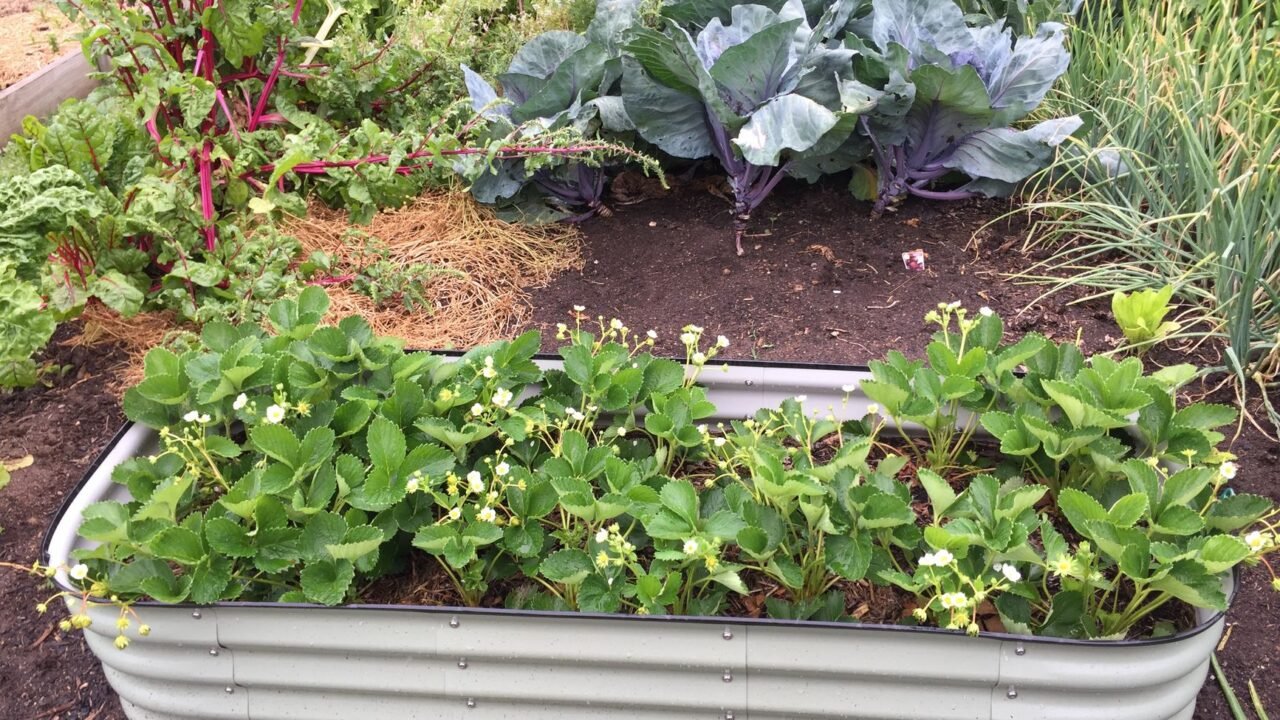
Starting a vegetable garden can feel intimidating without a background in gardening, but a small, well-planned first garden is much more forgiving than most people expect. Starting small and building confidence over a season or two tends to work better than an ambitious first attempt.
Choose a Site With Enough Sun
Most vegetables need at least six hours of direct sunlight a day to produce well. Watching a potential garden spot over the course of a full day, rather than guessing, is the single most important step before planting anything. It is also worth checking the USDA Plant Hardiness Zone Map for your area, since it determines which vegetables have enough of a growing season to thrive where you live.
Start Smaller Than Feels Necessary
A four-by-four or four-by-eight foot bed is plenty for a first garden and is far easier to maintain than an ambitious full-yard plot. A smaller garden that gets properly cared for produces more, and creates far less frustration, than a large one that becomes overwhelming to weed and water.
Pick Vegetables That Reward Beginners
Some vegetables are simply more forgiving than others. Lettuce, radishes, bush beans, and cherry tomatoes tend to perform well even with an inexperienced gardener’s care, while crops like cauliflower or celery can be finicky and discouraging for a first attempt.
Prepare the Soil Before Planting
Healthy soil matters more than almost any other factor in a vegetable garden’s success. Working a few inches of compost into the existing soil before the first planting gives young plants a significantly better start than planting directly into unimproved dirt.
Water Consistently, Not Just Often
Deep, less frequent watering encourages stronger root growth than light daily watering. Checking soil moisture a couple of inches down, rather than watering on a fixed schedule regardless of actual need, prevents both underwatering and the overwatering that can cause root problems.
Stay Ahead of Weeds Early
Weeds are far easier to manage while they are small. A few minutes of weeding once or twice a week keeps the garden from being overtaken, which is a much smaller task than trying to reclaim a bed that has gone unweeded for a month.
Expect Some Trial and Error
Even experienced gardeners lose some plants to pests, weather, or timing mistakes in any given season. Treating a first garden as a learning experience rather than expecting a flawless result makes it much easier to stay motivated for a second and third season.
Basic Soil Testing Before Planting
Healthy soil is worth more than most beginner gardeners initially realize, and a simple test before the first planting reveals whether the existing soil needs amendment beyond a general compost mix. A basic squeeze test, taking a handful of moist soil and squeezing it into a ball, offers a rough read: soil that crumbles apart easily is likely too sandy and will drain too quickly, while soil that stays in a dense, sticky clump is likely heavy clay that drains poorly and can suffocate roots. Most vegetable gardens do best in a loamy soil that holds its shape loosely but breaks apart with gentle pressure.
A more precise option is a home soil test kit, widely available at garden centers, which checks pH and basic nutrient levels. Most vegetables prefer a slightly acidic to neutral pH, roughly 6.0 to 7.0, and a soil far outside this range benefits from amendment, garden lime to raise pH or sulfur to lower it, before planting rather than after issues appear mid-season.
Spacing and Companion Planting for Beginner Crops
Lettuce can be planted relatively densely, with plants spaced roughly six to eight inches apart, and benefits from partial afternoon shade in hotter climates to prevent premature bolting. Radishes need even less space, around two inches between plants, and are one of the fastest crops to mature, often ready for harvest within three to four weeks, which makes them a satisfying early confidence-builder for a first-time gardener.
Bush beans generally need four to six inches between plants and benefit from being planted near beans of the same type rather than mixed with taller crops that could shade them. Cherry tomatoes need considerably more room, typically eighteen to twenty-four inches between plants, along with a stake or cage installed early, ideally at planting time, since installing support after a tomato plant has grown large risks damaging its root system.
Marigolds planted along the border of a vegetable bed are a commonly recommended companion planting choice, as they are believed to help deter certain common garden pests, and they add color to a bed that might otherwise be entirely green through the early season.
Common First-Year Mistakes
Overwatering is one of the most common mistakes among first-time vegetable gardeners, often stemming from anxiety about underwatering. Checking soil moisture a couple of inches down before watering, rather than watering on a fixed daily schedule regardless of actual need, prevents the root rot and fungal issues that consistently soggy soil can cause.
Planting too early, before the local last frost date, is another frequent issue, since a late frost can kill young seedlings that seemed safe a week earlier. Checking local frost date estimates for the specific area, rather than relying on a fixed calendar date, provides a more reliable planting window.
Finally, many first-time gardeners underestimate how quickly weeds establish once a bed is prepared and watered regularly, since freshly turned, amended soil is just as hospitable to weed seeds as it is to the vegetables planted there. Checking the bed every few days in the first several weeks, when weeds are still small and easy to remove, prevents the more labor-intensive process of removing established weeds later in the season.
Extending the Growing Season
For gardeners in climates with a shorter growing season, simple season-extension techniques can add several weeks on either end of the season without significant investment. A floating row cover, a lightweight fabric draped directly over plants, protects against light frost in early spring and fall, allowing a slightly earlier start or later harvest than the unprotected growing season would otherwise allow. Starting seeds indoors four to six weeks before the last expected frost, rather than direct-sowing everything outdoors, also gives a head start to slower-maturing crops like tomatoes.
A Simple Watering Schedule for the First Season
Newly planted seedlings, regardless of variety, generally need daily or near-daily light watering for their first one to two weeks while roots are still shallow and establishing. Once plants are established, shifting to a deeper, less frequent watering schedule, roughly two to three times per week depending on rainfall and temperature, encourages roots to grow downward in search of moisture rather than staying shallow, which produces sturdier, more drought-resilient plants over the course of the season.
A simple finger test, inserting a finger two inches into the soil and only watering if it comes out dry, removes much of the guesswork from this schedule and adjusts naturally for hot, dry stretches versus cooler, rainier ones without needing to track a rigid calendar.
Harvesting at the Right Time
Each beginner-friendly crop signals readiness a little differently. Lettuce can be harvested a few outer leaves at a time once the plant has several mature leaves, allowing continuous harvest over weeks rather than pulling the entire plant at once. Radishes are ready when their tops, called shoulders, become visible just above the soil line, and waiting too long past this point often results in a woody, less pleasant texture. Bush beans are best picked while still slender and before the seeds inside visibly bulge the pod, and regular picking actually encourages the plant to keep producing. Cherry tomatoes are ready once they reach full color for their variety and separate easily from the vine with a gentle twist rather than requiring force.
Dealing With Common Pest Problems Without Harsh Chemicals
New vegetable gardeners are often surprised by how quickly pests find a young garden, sometimes within days of the first seedlings pushing through the soil. The good news is that most home garden pest problems can be managed without reaching for aggressive chemical treatments, which is worth knowing both for the sake of the food you plan to eat and for the beneficial insects you want to keep around. Handpicking larger pests like caterpillars and beetles in the early morning, when they are slow and easy to spot, remains one of the most effective and lowest-cost control methods available. A strong blast of water from a hose can dislodge aphids from tender growth, and simple barriers like floating row covers keep flying pests off young plants entirely during their most vulnerable weeks.
Companion planting is another tool worth understanding even at a basic level. Strong-smelling herbs like basil, marigold, and garlic planted near vulnerable vegetables can confuse or repel certain pests, while flowers that attract pollinators and predatory insects, such as dill and yarrow, bring in natural allies that keep pest populations in check on their own. It also helps to accept that a small amount of pest damage is normal and not a sign of failure; healthy plants can tolerate some leaf loss without any real impact on the final harvest. Rotating where you plant each vegetable family from year to year further reduces the buildup of pests and soil-borne diseases that target the same crops repeatedly in the same spot.
Planning a Garden Layout That Maximizes Sun Exposure
Most vegetable crops need a substantial amount of direct sunlight each day to produce well, typically six to eight hours at minimum, and a garden layout that ignores this requirement is set up to underperform no matter how good the soil preparation or seed selection turns out to be. Before deciding on a final bed location, it is worth observing the planned area at several points across a full day, since a spot that looks sunny in the late morning can be shaded by a tree, fence, or the house itself for a significant portion of the afternoon. Taller crops like tomatoes, pole beans, and corn should generally go on the north side of a garden bed layout so they do not cast shade over shorter crops as they grow taller through the season, a detail that is easy to overlook when planning a layout based only on the mature size of plants rather than their growth pattern over time.
Succession planting, staggering the planting dates of a single crop by a couple of weeks rather than planting an entire row all at once, is another planning technique that pays off for a small vegetable garden. This spreads the harvest out over a longer period instead of producing an overwhelming amount of a single vegetable all at once followed by nothing, which is a common frustration for first-time vegetable gardeners who plant an entire packet of seeds on the same day. Checking recommended planting windows for a specific growing zone before scheduling successive plantings ensures each staggered batch still has enough time to mature before the growing season ends.
Related Reading
- Simple Garden Updates That Can Transform a Backyard
- Creating an Outdoor Living Space on a Modest Budget
- Low-Maintenance Landscaping Ideas for Busy Homeowners
- Useful Outdoor Accessories for Summer
Frequently Asked Questions
Do I need raised beds, or can I plant directly in the ground? Both work well. Raised beds offer better drainage and soil control, which is especially useful where existing soil is heavy clay or contaminated, but an in-ground bed with amended soil is a perfectly reasonable and less expensive starting point where existing soil conditions are workable.
How much sun is truly the minimum for a vegetable garden? Most fruiting vegetables, tomatoes, beans, and similar crops, genuinely need the full six hours mentioned earlier to produce well. Leafy greens like lettuce can tolerate somewhat less, closer to four hours, making them a better choice for a partially shaded spot.
What should a first-time gardener do if pests appear? Identifying the specific pest before treating is worth the extra step, since treatments effective against one common garden pest can be ineffective or unnecessary against another. A local extension office resource is often the most reliable, region-specific source for pest identification and treatment recommendations.
A Realistic First Season
A small, well-tended vegetable garden started with forgiving crops and healthy soil gives most beginners a genuinely satisfying first experience. The goal in year one is less about a large harvest and more about learning what a particular yard, climate, and schedule can actually support. If a full vegetable garden feels like more than the rest of the yard can take on right now, our guide to low-maintenance landscaping ideas for busy homeowners covers options that need far less ongoing attention.