
A room can have all the right furniture and still feel a little flat. Often what is missing is texture: the mix of materials, fabrics, and finishes that gives a space depth and warmth beyond just color and layout.
Start With a Base Layer of Texture
Large surfaces like rugs, sofas, and curtains set the tone for a room’s overall texture. A room built entirely from smooth, hard surfaces, leather, glass, and polished wood, tends to feel cool and formal, while a mix that includes something soft, like a woven rug or a linen sofa, immediately feels warmer.
Layer Soft Textiles Generously
Throw pillows in a mix of fabrics, such as linen, knit, and velvet, add depth without requiring a large investment. A chunky knit throw draped over the arm of a sofa or the back of a chair adds an inviting texture that is also genuinely useful on a cool evening.
Mix Natural Materials
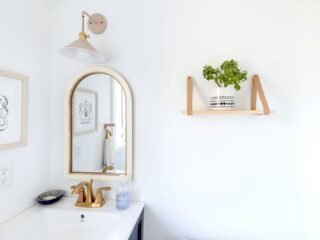
Wood, rattan, jute, and stone each bring a distinct texture and a sense of warmth that purely manufactured materials rarely achieve on their own. A rattan accent chair, a jute rug, or simple wood shelving all introduce this kind of organic texture without clashing with most existing decor.
Do Not Forget the Walls
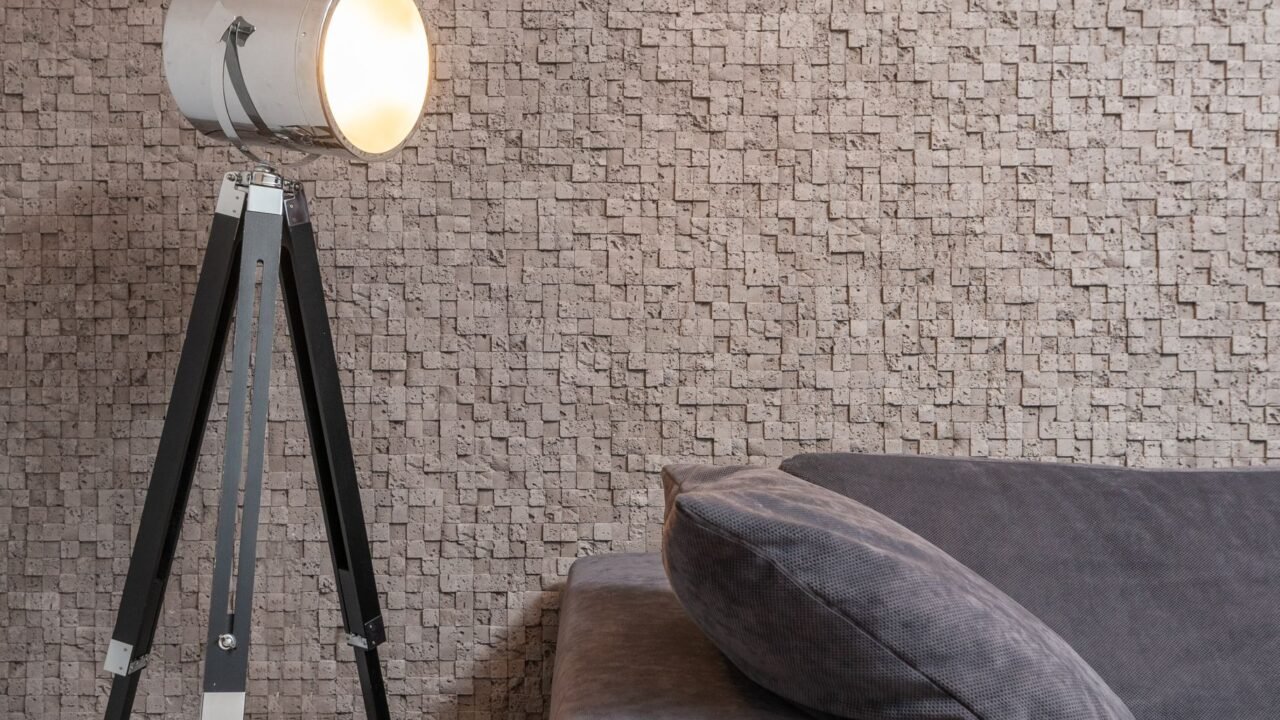
Textured paint finishes, wood paneling, or a gallery of framed art with varied mat and frame materials all add dimension to what is otherwise the largest flat surface in most rooms. Even a single textured accent wall can change how the whole room reads.
Balance Texture With Color

Texture works best when it is not competing with too many bold colors at once. A room built around a mostly neutral palette gives texture room to be the main source of visual interest, which tends to read as more sophisticated than pattern and color layered on top of each other.
Bring in Layers That Change With the Seasons
Swapping a lightweight cotton throw for a heavier wool one in cooler months, or adding a few extra textured pillows during winter, keeps a room feeling appropriately cozy year-round without a full redecorating effort each season.
A Few Easy Starting Points
- Add one chunky knit or wool throw to the main seating area.
- Mix at least two pillow fabrics on the sofa rather than matching everything.
- Introduce one natural material, wood, rattan, or stone, if the room does not already have one.
- Layer a rug over hard flooring if the room currently has none.
A Few Things to Avoid
Too much of any single texture, an entire room done in the same knit fabric, for instance, flattens the effect rather than adding to it. The goal is variety within a coordinated palette, not more of the same material repeated everywhere. It also helps to touch fabrics in person before buying when possible, since texture is one design element that photos rarely capture accurately.
Texture by Room Style

The specific textures that read as intentional shift somewhat depending on a room’s overall style. A modern space generally pairs well with smooth, matte textures, a bouclé chair, a low-pile wool rug, brushed metal accents, since heavy, rustic textures like raw wood beams or distressed leather can clash with modern furniture’s cleaner lines. A traditional room tends to welcome richer, more layered textures, tufted upholstery, patterned wool rugs, and warmer wood tones, which reinforce the style’s more formal, collected feel. A coastal or relaxed style leans on natural fiber textures, jute, linen, rattan, in lighter, more weathered tones that reinforce an easygoing atmosphere.
Recognizing which general direction a room already leans helps narrow down which textures to prioritize first, rather than adding texture types that fight against the room’s existing style.
Adding Texture on a Budget
Texture does not require an expensive overhaul to be effective. A set of new throw pillow covers, rather than entirely new pillows, is one of the least expensive ways to introduce a new fabric texture to a sofa. A single chunky throw blanket, draped rather than folded, adds a visible texture focal point for well under the cost of reupholstering or replacing furniture. Secondhand and vintage stores are also a reliable, low-cost source for natural material accents, a woven basket, a wood bowl, a rattan mirror frame, that would cost considerably more new.
For those ready to invest a bit more, a natural fiber area rug is often the single highest-impact texture purchase in a room, since it covers a large surface area and touches nearly every other element in the space.
Common Texture Mistakes
Over-texturing is the most common misstep: a room where every surface competes for attention, a heavily textured rug, a heavily textured sofa, and heavily textured walls all at once, can feel busy and disorganized rather than cozy. Choosing one or two dominant textures and letting everything else stay comparatively simple keeps the effect intentional.
Mismatched scale is a second common issue. A delicate, fine-knit pillow next to an oversized chunky throw can look accidental rather than curated unless the pairing is clearly deliberate. Grouping textures of a similar visual weight, or intentionally contrasting exactly one fine texture against one bold one, tends to look more considered than a random mix.
Texture in Rentals and Temporary Spaces
Texture is one of the easiest ways to personalize a rental, since nearly all of it, rugs, pillows, throws, curtains, is fully portable and requires no permanent changes to the space. For renters specifically, focusing texture budget on large, portable pieces like a rug and curtains delivers more visual impact per dollar than smaller accessories, since these larger pieces touch more of the room’s overall surface area.
Balancing Texture So a Room Does Not Feel Overdone

Layering textures is one of those design techniques that can easily tip from cozy into cluttered if every surface in a room is competing for attention at once. A useful guideline is to vary texture more than pattern within any single seating area, since too many bold, contrasting patterns fighting for visual space tends to feel chaotic, while varying tactile textures, a nubby wool throw against a smooth leather chair against a woven jute rug, creates depth without visual noise. Choosing one dominant texture family for the largest pieces in a room, such as a sofa, and then layering smaller accent pieces with contrasting textures on top gives a room a sense of intentional variety rather than a mismatched collection of items bought separately over time.
Texture also has a practical, seasonal dimension worth considering. Heavier textures like wool, boucle, and thick knits naturally read as warmer and work well as a layer added specifically for colder months, while lighter linen and cotton textures feel more appropriate once warmer weather arrives. Rotating a few key textiles, a throw blanket, some accent pillow covers, seasonally is a low-cost way to keep a living room feeling fresh throughout the year without a full redecorating effort, and it gives a practical reason to own a small rotating collection of textiles rather than a single fixed set used year-round.
Related Reading
- 12 Simple Ways to Make a Small Living Room Feel Larger
- Choosing a Color Palette for an Open Floor Plan
- Simple Styling Tricks for Shelves That Look Curated
- Quiet Luxury for the Home: The Viral Aesthetic That Is Not About Spending More
- Limewash Walls Are Trending: What the Textured Paint Look Actually Requires
Frequently Asked Questions
How many different textures should one room have? There is no fixed number, but a room with roughly four to six distinct textures, a rug, upholstery fabric, a throw, pillow fabrics, a wood or metal accent, and something natural like a plant, generally reads as layered without feeling cluttered.
Can too much texture make a room feel messier rather than cozier? Yes, particularly when textures vary wildly in color as well as material. Keeping a fairly consistent, neutral color palette while varying texture, rather than varying both color and texture at once, keeps the layered look from tipping into visual chaos.
Does texture matter as much in rooms other than the living room? The same principles apply throughout a home, though bedrooms in particular benefit from soft, tactile textures like a knit throw or a textured headboard, since touch matters more in a room primarily used for rest.
Layering Texture Room by Room
A bedroom benefits most from texture at the points of direct contact: bedding, a rug underfoot, and a headboard material like woven cane or upholstered linen. Since a bedroom is used primarily for rest, prioritizing soft, tactile textures over purely visual ones, a chunky knit throw versus a decorative but scratchy accent pillow, makes a more meaningful difference here than in a more public room.
A home office or study can handle slightly more structured, less overtly soft textures, a leather or woven desk chair, a woven basket for supplies, a wood desk with visible grain, since the room’s function leans more toward focus than relaxation. Even here, a single soft element, a small rug or a cushioned chair pad, keeps the space from feeling entirely utilitarian.
Dining rooms benefit from texture primarily through chair upholstery, table linens, and a statement light fixture with an interesting material, rattan, woven metal, or textured glass, since the table itself is usually the visual focal point and can otherwise feel flat without some contrast around it.
Maintaining Textured Materials Over Time
Natural fiber materials, jute rugs, rattan furniture, and linen upholstery in particular, require a bit more care than smoother synthetic alternatives. Jute rugs generally should not be steam cleaned, since moisture can cause the fibers to weaken or discolor over time, and are better maintained with regular vacuuming and prompt blotting of spills. Rattan and wicker pieces benefit from occasional light dusting and should be kept out of direct, prolonged sun exposure where possible, since UV exposure can cause natural fibers to become brittle faster than indoor use alone would.
Knowing this ahead of a purchase helps match a textured material to where it will actually live, a jute rug in a low-traffic formal living room will hold up considerably longer than the same rug placed in a high-traffic family entry, for example.
When Texture Alone Is Not Enough
Occasionally a room still feels underwhelming even after several rounds of adding texture, which usually signals that the underlying issue is actually about color, lighting, or furniture arrangement rather than texture specifically. If a room feels cold despite a rug, a throw, and a few natural material accents, it is worth checking whether the room’s lighting is too cool in color temperature or too dim overall, since texture cannot fully compensate for lighting that works against the mood a room is trying to achieve.
Texture Finishes What Color Alone Cannot
A well-chosen color palette gives a room direction, but texture is what makes it feel genuinely comfortable to spend time in. Building up these layers gradually, rather than all at once, also makes it easier to see what the room actually needs as you go. If the room in question is also on the smaller side, pairing these ideas with our tips for making a small living room feel larger can help it feel both open and inviting at once.