
Styled shelves can make a room feel personal and finished, but it is easy to end up with either a cluttered mess or a display so sparse it feels unfinished. A few simple principles make the difference between a shelf that looks staged and one that looks genuinely curated.
Group Items in Odd Numbers
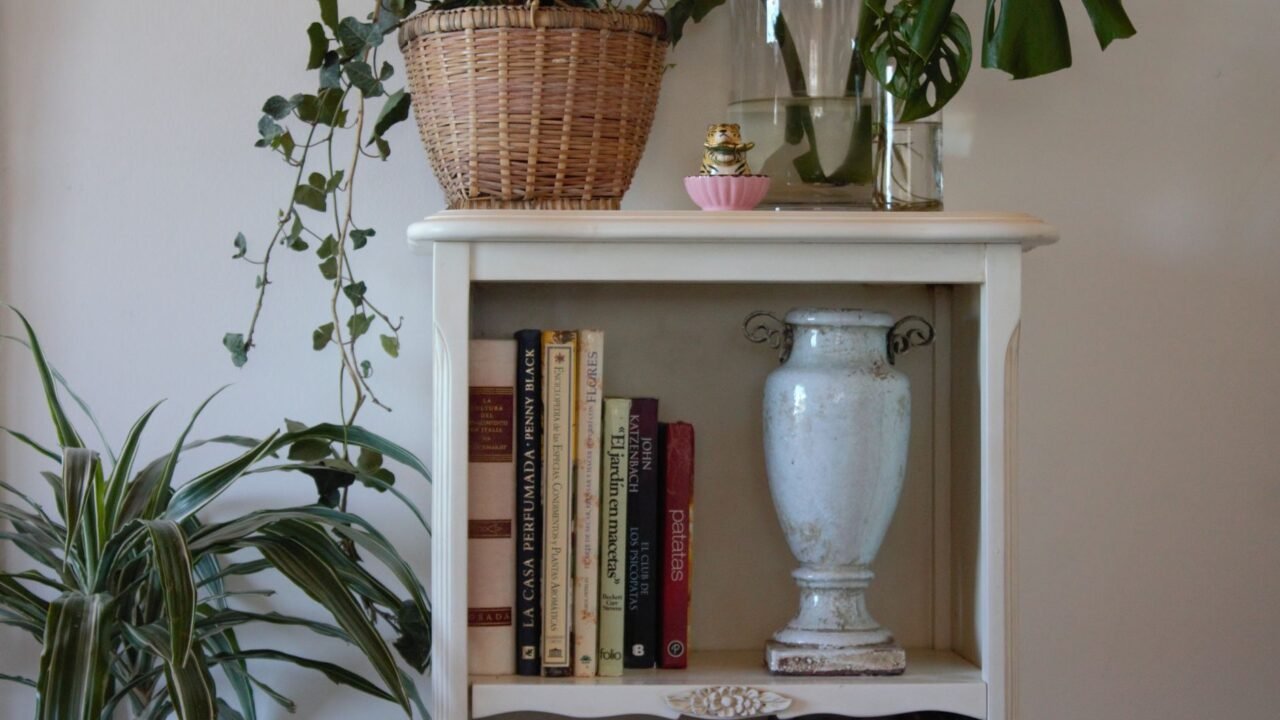
Groups of three tend to look more intentional than pairs or single items scattered around. Try grouping a book stack, a small object, and a plant together rather than spreading three unrelated items evenly across a shelf.
Vary Height Within Each Grouping
A row of items that are all the same height reads as flat, even if the objects themselves are interesting. Stacking a few books and setting a shorter object on top, next to a taller vase, creates a more dynamic silhouette.
Mix Books In With Other Objects
Shelves filled entirely with spines facing out can look more like a library display than a personal collection. Turning some books on their side to use as a stand for a small object, or shelving a few spine-in, breaks up the repetition.
Leave Real Negative Space
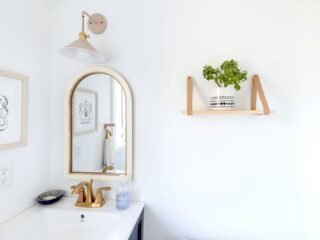
Every shelf does not need to be filled edge to edge. Leaving visible empty space around groupings gives the eye somewhere to rest and actually makes the styled items stand out more than if the shelf were packed.
Repeat a Color or Material

Choosing two or three colors, or one consistent material like wood or ceramic, and repeating them across different shelves ties a whole bookcase or wall of shelving together, even if the objects themselves vary widely in shape and purpose.
Include Something Alive
A small plant, even a low-maintenance one, adds a texture and color that no object can quite replicate. It also keeps a styled shelf from feeling too static or overly perfect.
Step Back and Adjust
Styling a shelf well rarely happens perfectly on the first try. Standing back every few minutes while arranging, and viewing the shelf from where it is actually seen most often, such as from a sofa or doorway, makes it much easier to catch groupings that look off up close but fine from a distance.
A Few Combinations to Try
- A stack of three books, a small plant, and one meaningful object.
- A framed photo leaned against the back of the shelf with a low object placed in front of it.
- A single larger vase balanced by two or three smaller items of varying height.
Styling Shelves by Room Type

A living room shelf can lean more decorative, mixing books, art objects, and a plant with fewer functional constraints, since the room’s primary purpose is relaxing and entertaining rather than working. A home office shelf benefits from a slightly more restrained approach, keeping frequently used reference materials or supplies accessible while still applying the same grouping and height-variation principles, so the shelf stays functional without looking like plain storage. A bedroom shelf tends to work best with softer, more personal objects, framed photos, a small plant, a favorite book stack, since the room’s mood calls for something calmer than a bold, gallery-style display.
Kitchen open shelving carries its own considerations, since items displayed there are often still in regular use. Mixing a few frequently used dishes or glassware with one or two purely decorative objects, rather than treating kitchen shelves as pure display, keeps them looking both styled and genuinely functional.
Lighting Shelves Properly
A well-styled shelf can still fall flat if it sits in a dim corner without any dedicated light. Small puck lights or an LED strip mounted along the underside of the shelf above cast a soft glow on the objects below, adding depth and drawing the eye toward the display in a way that ambient room lighting alone often cannot achieve. Battery-powered, adhesive-mounted options accomplish this without any wiring, making it a realistic addition even for a renter or someone who does not want to run electrical work for a single shelf.
For shelves that already sit near a window, positioning the most reflective or glossy objects, a mirror, a glass vase, a metallic frame, to catch that natural light adds a similar effect without needing supplemental lighting at all.
Common Shelf-Styling Mistakes
Overfilling a shelf so that no negative space remains is the most frequent mistake, since it removes the sense of breathing room that makes a styled shelf feel intentional rather than merely full. A close second is styling every shelf identically, using the same grouping formula, three books plus a plant plus one object, on every single shelf, which starts to look repetitive rather than curated once multiple shelves are visible together.
Placing the largest, heaviest-looking objects on the top shelves is a less obvious but still common issue, since it can make the whole unit feel visually top-heavy and slightly precarious even when it is perfectly stable. Keeping visually heavier pieces on lower shelves and lighter, smaller objects higher up generally reads as more balanced.
Rotating a Styled Shelf Seasonally
A styled shelf does not need to remain frozen once it is arranged. Swapping in seasonal elements, a small pumpkin or pinecones in autumn, a bowl of citrus in winter, fresh greenery in spring, keeps a shelf feeling current throughout the year without requiring an entirely new styling plan each time. Keeping a small box of seasonal items on hand makes this rotation quick, typically a five- or ten-minute task, rather than a full restyling project.
Styling Shelves of Different Depths and Widths

A shallow shelf, less than about eight inches deep, works best with flatter objects, framed art leaned rather than propped deeply, thin vases, and stacked books, since deeper decorative objects can look precarious or simply will not fit without overhanging the edge. A deep shelf, over twelve inches, can handle layering objects front to back, a taller item toward the rear with a shorter one placed just in front of it, which adds dimension that a shallow shelf cannot accommodate.
Wide, single-span shelves benefit from dividing the length into two or three distinct groupings rather than one continuous arrangement, since a single row of evenly spaced objects across several feet tends to look more like a display case than a personal collection. Narrower shelves, on the other hand, often look best with a single well-considered grouping rather than trying to force multiple distinct vignettes into a limited span.
Building a Collection to Style From
A styled shelf is only as interesting as the objects available to arrange, and building a small, varied collection over time produces better results than trying to buy an entire look at once. Thrift stores, estate sales, and family hand-me-downs are all reliable, inexpensive sources for the kind of varied, slightly imperfect objects that make a shelf feel personal rather than purchased as a matching set. Keeping an eye out for one interesting piece at a time, rather than shopping for a shelf all at once, also naturally produces the kind of varied height, material, and color mix that good shelf styling depends on.
Photographing a Styled Shelf
A shelf that looks great in person does not always photograph the same way, since a camera flattens the depth that makes layering effective in real life. Shooting slightly from below rather than straight on helps preserve some of that depth in a photo, and natural side light, rather than an on-camera flash, generally renders textures and materials more accurately. This matters less for day-to-day enjoyment of the space but is worth keeping in mind for anyone documenting a home refresh to share or reference later.
Editing Down Before Adding More Objects
The instinct when a shelf looks unfinished is often to add more objects, but the more effective fix in most cases is removing items rather than adding them, since a shelf overloaded with too many small objects tends to look busy and disorganized regardless of how nice the individual pieces are. A useful exercise is removing everything from a shelf entirely, then adding back only the items that genuinely serve a visual or functional purpose, resisting the temptation to put everything back simply because it fits. Curated shelves in professionally styled spaces typically use noticeably more negative space than instinct suggests, and that restraint is precisely what makes them read as intentional rather than cluttered.
Grouping objects in odd numbers, typically three, and varying height significantly within each grouping creates visual interest without requiring more objects overall. A tall item, a medium item, and something low and horizontal like a stack of books arranged together reads as a considered vignette, while three items of similar height and shape lined up in a row tends to look flat and accidental rather than styled. Books themselves are one of the most underused styling tools available, since stacking them horizontally to create height variation for smaller objects placed on top solves the common problem of a shelf where every item sits at the same eye level with nothing to break up the visual rhythm.
Related Reading
- 12 Simple Ways to Make a Small Living Room Feel Larger
- How to Layer Textures for a Cozier Living Room
- Choosing a Color Palette for an Open Floor Plan
- Quiet Luxury for the Home: The Viral Aesthetic That Is Not About Spending More
Frequently Asked Questions
How often should a styled shelf be rearranged? Beyond seasonal swaps, a full restyle every six months to a year, or whenever the current arrangement starts to feel stale, is a reasonable rhythm for most households.
Is it acceptable to leave a shelf completely empty in some spots? Yes, and in fact intentional empty space is part of what makes a shelf look curated rather than cluttered, as covered earlier. An empty shelf segment reads as a deliberate pause rather than an oversight as long as the shelves around it are thoughtfully arranged.
Do all objects on a shelf need to match in color? No, but limiting the palette to two or three coordinated colors or a consistent material like wood or ceramic, rather than a completely random mix, keeps a varied collection of objects looking intentional together.
Curated, Not Cluttered
The goal of styling a shelf is not to fill every inch, but to create a handful of small, considered groupings that feel personal rather than random. A shelf that looks effortless usually took a bit of rearranging to get there, and that is a normal part of the process. This kind of intentional styling is especially useful in a small living room, where every surface works harder; see our tips for making a small living room feel larger for more ways to keep a compact space feeling open.