

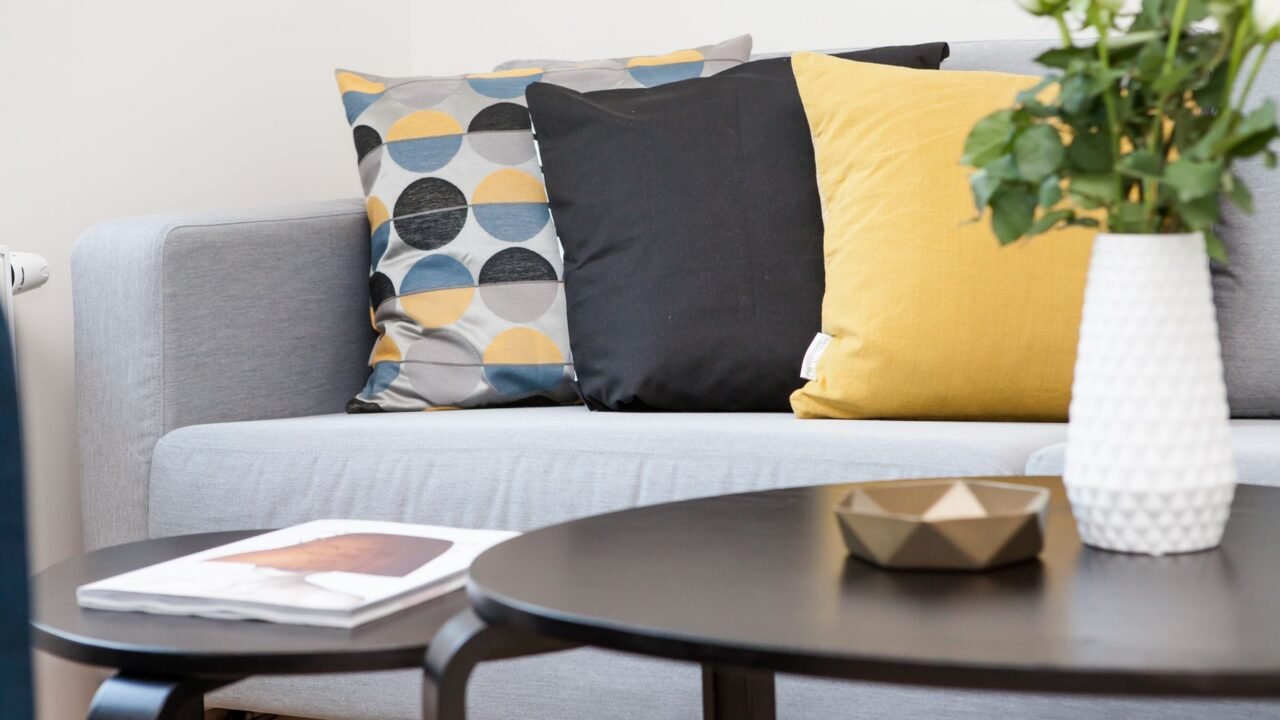
Renting often comes with real limits on what can be changed, but a rental does not have to feel temporary or impersonal. A number of renter-friendly updates can make a space feel genuinely personal without violating a lease or requiring a large investment.
Check the Lease Before Starting Anything
Understanding exactly what is and is not allowed, painting, wall anchors, fixture changes, before making any plans prevents wasted effort and potential deposit issues. Many leases allow more than tenants assume, so it is worth actually reading the relevant clause rather than guessing.
Use Removable Wallpaper and Decals
Peel-and-stick wallpaper and wall decals add pattern and color to a rental without the commitment or damage risk of paint, and quality versions remove cleanly when it is time to move out.
Bring in Textiles You Own
Rugs, curtains, and throw pillows are entirely portable and have an outsized effect on how a space feels, since they add color, texture, and softness to what might otherwise be a fairly neutral rental interior. For more on using texture this way, see our guide to layering textures for a cozier living room.
Swap Light Fixtures and Hardware, and Save the Originals
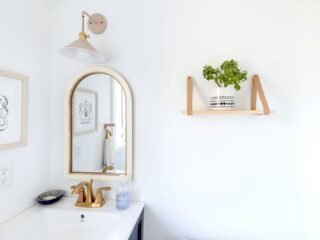
Many landlords allow tenants to swap out light fixtures, cabinet hardware, or a showerhead as long as the original parts are kept and reinstalled before move-out. This small step can update a kitchen or bathroom significantly for the time spent living there.
Use Freestanding Furniture for Storage
Since built-in storage cannot be added to most rentals, freestanding shelving, storage ottomans, and rolling carts fill the same role while remaining fully portable for the next move.
Add Removable Lighting Layers
Plug-in sconces, battery-powered lights, and floor and table lamps add the kind of layered lighting a rental’s often-limited fixtures do not provide, all without any electrical work required.
Personalize With What You Can Take With You
Art, plants, and personal objects placed thoughtfully throughout a rental do more to make it feel like home than any single structural change could, and none of it needs to stay behind when the lease ends.
Move-Out Considerations Worth Planning For
Documenting a rental’s original condition thoroughly, dated photos of walls, fixtures, and hardware before making any changes, protects a tenant’s security deposit if a landlord later disputes what was original versus modified. Keeping any hardware or fixtures removed during a swap, original light fixtures, cabinet knobs, showerheads, in a labeled box rather than discarding them ensures they can be reinstalled quickly and correctly before move-out rather than searching for replacements at the last minute.
Saving receipts for any renter-friendly products used, particularly removable wallpaper or adhesive hooks, can also be useful if a landlord questions whether a product was truly designed to be removed without damage, since many of these products include manufacturer guarantees about clean removal that can support a tenant’s case if a dispute arises.
Renter-Friendly Project Ideas by Room
In a living room, removable wallpaper on a single accent wall, new curtains, and a large area rug together change the room’s character substantially without any permanent modification. In a bathroom, a fabric shower curtain, a new bath mat, and swapped cabinet hardware, saved originals kept aside, refresh the space’s look at minimal cost and effort. In a bedroom, a statement headboard that leans against the wall rather than being mounted, layered bedding, and plug-in sconces beside the bed add both function and personality without touching the walls at all.
In a kitchen, a removable backsplash product designed specifically for rentals, open shelving added via tension rods rather than drilled brackets, and a few well-placed plants or a small herb garden on a windowsill bring warmth to a space that often feels the most impersonal in a rental.
Building a Relationship With a Landlord
Many of the updates covered here do not strictly require permission, but asking about larger or more visible changes, even reversible ones, tends to build goodwill that can be useful later, whether for a lease renewal negotiation or for getting a maintenance request addressed promptly. A landlord who trusts a tenant to take good care of a unit is often more flexible about future requests than one who has been surprised by unapproved changes discovered during an inspection.
Personalizing a Shared or Furnished Rental
A furnished rental or a room within a shared house presents an even more limited canvas than a typical apartment, but the same principle, focusing on what can be brought and layered rather than what cannot be changed, still applies. A favorite blanket, a few framed photos, and a small personal lamp can meaningfully shift how a single furnished room feels, even when the furniture itself is not something the tenant can change or remove.
Working With an Awkward Rental Layout
Rentals often have layouts shaped by a building’s original purpose rather than ideal modern living, an oddly placed door, a room with limited natural light, awkward closet placement. Rather than fighting a difficult layout, choosing furniture arrangements and lighting solutions specifically suited to that constraint, extra lamps in a dim room, a floating shelf near an awkward corner, tends to produce a more livable result than trying to force a layout that does not naturally support a specific vision.
Personalizing a Rental Without Risking the Deposit
The biggest hesitation renters have about decorating comes down to a reasonable fear of losing part of a security deposit over damage caused while making a space feel personal, but there are more reversible options available now than most renters realize. Removable wallpaper and peel-and-stick tile designed specifically for rentals can transform a wall or backsplash and come off cleanly when it is time to move, as long as the underlying paint is in reasonably good condition and the product is applied and removed according to instructions. Command-brand hooks and strips rated for the specific weight of whatever is being hung hold most artwork, mirrors, and even some shelving without leaving the kind of holes that traditional nails or screws do, and testing a small hidden section of wall before committing to a large installation confirms the paint will not peel when the adhesive is removed later.
Area rugs, curtains, and furniture arrangement do more heavy lifting in a rental than many people give them credit for, precisely because they involve zero risk to the security deposit while completely changing how a room feels. A large area rug can visually redefine a boring rental living room far more effectively than any wall decor, and curtains hung slightly wider and higher than the actual window frame make ceilings feel taller and windows feel larger without any construction involved. Taking photos of every wall and fixture before moving in, and keeping them along with the move-in inspection sheet, also protects a renter from being blamed for pre-existing wear when it eventually comes time to move out.
Communicating With a Landlord Before Making Changes
Even changes that seem minor and fully reversible are worth confirming with a landlord or property manager before starting, since lease agreements vary considerably in what they explicitly allow, and a quick conversation upfront avoids a potential dispute later over something that felt harmless at the time. Many landlords are more flexible than the boilerplate lease language suggests, particularly for genuinely reversible changes like removable wallpaper or picture-hanging strips, and simply asking in writing, even through a brief text or email that creates a paper record, can clarify what is acceptable and protect a renter from an unexpected deduction from a security deposit over a misunderstanding.
It also helps to ask specifically about any planned changes that involve fixtures, light fixtures, cabinet hardware, or shower heads for instance, since these fall into a gray area in many lease agreements between decor, which is usually fine, and modification, which often requires approval. Keeping any original fixtures that get swapped out, stored safely rather than discarded, makes it simple to reinstall them before moving out if a landlord requires the unit returned to its original condition, and this small step of preservation costs only a bit of storage space but avoids the cost and hassle of sourcing a replacement fixture at move-out time.
Making a Rental Feel Personal Through Non-Visual Senses
Visual changes get most of the attention in rental decorating advice, but scent and sound contribute just as much to how personal and comfortable a space feels, and both are entirely reversible, requiring no landlord approval at all. A consistent signature scent, whether from a favorite candle or a simple reed diffuser, becomes associated with home surprisingly quickly and travels easily to a new rental when the time comes to move again. Playing familiar music while settling into a new space during the first few weeks, rather than sitting in silence, has a similar effect, helping a still-unfamiliar rental start to feel like an actual home faster than visual changes alone typically manage on their own.
Related Reading
- How to Create a Morning Routine That Actually Works at Home
- Small Daily Habits That Make a Home Feel More Comfortable
- Simple Ways to Make Your Home Feel More Welcoming to Guests
- Home Office Essentials Worth Considering
- The Renter Guide to Home Improvement: What Actually Works Without Losing Your Deposit
Frequently Asked Questions
What if a landlord says no to a specific renter-friendly change? Respecting that decision and choosing an alternative from the many other options available, rather than proceeding anyway, protects the tenant relationship and the security deposit far more than risking a dispute over a single decorative choice.
Are all removable products actually damage-free upon removal? Quality varies by brand and product, and testing a small, inconspicuous area first, or checking product reviews specifically for removal experiences, helps avoid an unpleasant surprise, since a lower-quality adhesive product can occasionally still cause minor wall damage despite being marketed as removable.
How much should a renter realistically budget for making a rental feel like home? Most of the ideas covered here, textiles, removable wallpaper on a single wall, plug-in lighting, can be accomplished for a modest total budget, considerably less than what a comparable owned-home update would cost, since none of it requires structural work or professional installation.
A Home for Now, Made Personal
A rental’s limitations do not have to translate into a space that feels impersonal. Focusing on what can be brought, added, or swapped and reversed, rather than dwelling on what cannot be changed, makes it possible to build a genuinely comfortable home within a temporary space.









2 Comments