

A home does not have to feel dated just because it has not been renovated recently. Most of what makes a house feel behind the times comes down to a handful of surface-level details, and updating those details costs a fraction of what a full renovation would.
Hardware and Fixtures Age a Home Faster Than Almost Anything Else
Dated door handles, old faucet finishes, and worn light switch covers are small details that add up. Replacing hardware throughout a home, door handles, cabinet pulls, faucet fixtures, and outlet covers, in a single consistent finish is one of the most effective updates available, and none of it requires structural work.
Paint Color Has a Bigger Effect Than People Expect
Wall colors that were popular a decade or two ago read as immediately dated, even when the rest of a room is otherwise neutral. A fresh coat in a current, neutral palette resets how the whole space feels and is one of the most affordable updates on this list.
Window Treatments Deserve Attention
Heavy drapes, old blinds, or mismatched curtains across different rooms all contribute to a dated feel. Simple, consistent window treatments, whether that means clean roller shades or straightforward curtain panels, modernize a room quickly and are usually simple to install without professional help.
Flooring Can Be Refreshed Without Full Replacement
Full flooring replacement is expensive, but a deep professional clean or refinish for existing hardwood, a fresh coat of paint for old tile grout lines, or new area rugs over worn carpet can meaningfully change how a floor looks and feels underfoot.
Update the Kitchen Without Replacing Cabinets

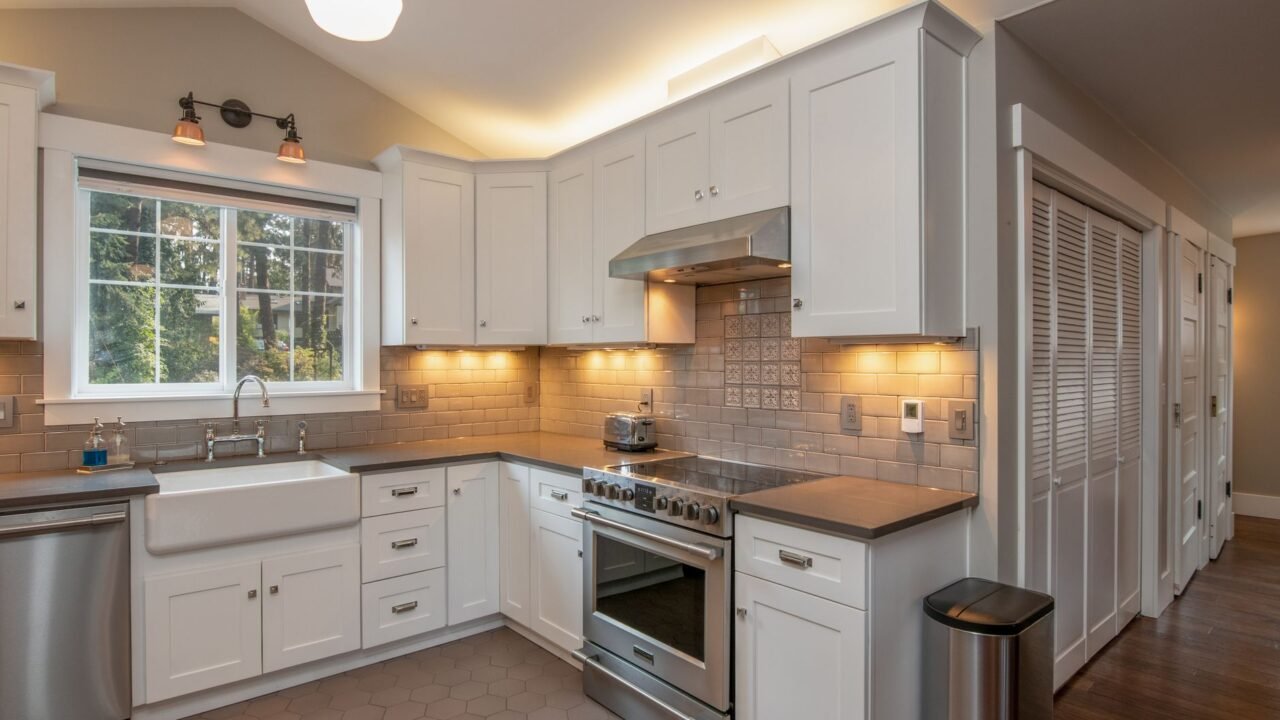
Cabinet boxes are usually structurally fine even in an older kitchen. Repainting or refacing the doors, adding new hardware, and updating the backsplash cost far less than full cabinet replacement while addressing most of what actually looks dated. For more ideas along these lines, see our guide on simple kitchen upgrades that do not require a renovation.
Declutter Before Adding Anything New
A home crowded with too much furniture or too many decorative items can feel dated regardless of style, simply because the eye has nowhere to rest. Removing pieces that no longer serve a purpose, and giving remaining furniture more breathing room, often does as much for a room’s feel as any single purchase.
Small Details Finish the Look
Once the larger updates are complete, small details like switch plates, vent covers, and cabinet hinges are easy to overlook, even though a mismatched or discolored switch plate stands out immediately in an otherwise refreshed room. Replacing these inexpensive pieces at the same time as larger hardware keeps the finish consistent throughout a space.
Room-by-Room Priority With Cost Tiers
Not every room benefits equally from an update, and prioritizing by how much time a household actually spends in each space produces a more noticeable result than working through rooms in a random order. The kitchen and primary living area typically deserve first attention, since they see the most daily use and the most guest traffic. Within these rooms, hardware and lighting updates fall into a low-cost tier, generally under two hundred dollars combined, while cabinet refacing or a full flooring refresh moves into a mid-range tier that can run into the thousands depending on square footage and materials chosen.
Bedrooms and secondary bathrooms are reasonable second-priority spaces, since a fresh coat of paint and updated hardware go a long way in rooms that are simpler in scope than a kitchen. Guest rooms, home offices, and rarely used formal spaces can reasonably wait until the more heavily used rooms are addressed, since the return on updating a room used a few times a month is inherently lower than one used daily.
What Not to Bother Updating

Not every dated detail is worth the time or money to fix immediately. Structurally sound elements that are simply out of style rather than actually worn, an older but well-maintained tile pattern, for example, often cost more to replace than the visual improvement justifies, especially if a rug, hardware change, or paint color nearby can shift the overall impression instead. Similarly, replacing entire light fixture bodies when only the bulb’s color temperature is the actual issue is an unnecessary expense; swapping to a warmer or cooler bulb solves the problem for a few dollars instead of a full fixture replacement.
Full-scale furniture replacement is another area where restraint often pays off. A dated but structurally solid sofa or dresser can frequently be refreshed with new upholstery, paint, or hardware, covered in more detail in our guide on refreshing old furniture with a weekend DIY project, at a fraction of replacement cost, and the result often looks more intentional than a mismatched new piece dropped into an otherwise unchanged room.
Sequencing a Whole-Home Update
For a household planning to work through several rooms over time rather than all at once, a reasonable sequence starts with sitewide consistency items, hardware finish, paint trim color, and light switch covers, since applying the same finish throughout the home creates a sense of intentional design even before any single room is fully finished. From there, moving room by room in order of use, rather than jumping between spaces, keeps the project feeling like steady progress rather than several unfinished efforts happening at once.
Budgeting a fixed amount per month or per season, rather than trying to fund the entire update at once, also makes a whole-home refresh far more approachable for most households, and it naturally paces the work in a way that avoids the fatigue of trying to finish everything in a single stretch.
Recognizing When a Room Needs More Than Surface Updates
The updates covered here work well when the underlying structure, layout, and major systems of a room are sound and the issue is genuinely cosmetic. If a kitchen’s layout no longer functions for how the household cooks, or a bathroom has ongoing moisture or ventilation issues, surface-level updates like paint and hardware will not resolve the actual problem, and treating them as a substitute for a real renovation can mean spending money twice, once now and again later when the underlying issue is finally addressed. Being honest about which category a room falls into before starting is worth the extra few minutes of consideration.
Small Details That Read as Dated Longer Than Expected
Certain details tend to linger in a home long after everything else has been updated, simply because they are easy to overlook during a refresh. Popcorn or heavily textured ceilings are one of the most immediate visual signals of an older home, even when everything below them has been modernized. Removal is possible as a do-it-yourself project in some cases, though it requires care and, in homes built before the early 1980s, testing for asbestos before disturbing the material at all.
Outdated window hardware, old-style crank handles or mismatched locks, is another detail that rarely comes up in a general update but stands out on close inspection. Similarly, ceiling fans with dated blade finishes or light kits are often left in place during a broader refresh simply because they still function, even though a fifteen to twenty-year-old fan usually looks noticeably older than everything else in an updated room.
Updating a Home Without Losing Its Character

Not every dated element is a flaw to be corrected. Original hardwood floors, vintage trim work, or built-in shelving from an earlier era often add genuine character that a newer home cannot easily replicate, and stripping all of it out in favor of a generic modern look can leave a home feeling less distinctive than it started. A more balanced approach identifies which dated elements are simply worn or clashing, worth replacing, and which are structurally sound, well-crafted features worth preserving and highlighting instead. Refinishing original hardwood rather than covering it, or painting original trim in a current color rather than removing it, often achieves a fresher look while keeping what made the home distinctive in the first place.
A Sample Twelve-Month Timeline
For a household that wants a structured plan rather than an open-ended list, spreading these updates across a year keeps the pace manageable. The first two months might focus on hardware and paint throughout the main living areas, since these changes are inexpensive and have an immediate visual effect. Months three and four could address window treatments and lighting fixtures, both of which are moderate in cost and effort. The middle of the year is a reasonable window for a kitchen backsplash update or cabinet refacing, larger projects that benefit from being tackled during a season without competing demands like holiday preparation. The final months of the year can be reserved for flooring refreshes or refinishing, along with the smaller finishing details, switch plates, vent covers, and cabinet hinges, that complete the overall look. This kind of pacing turns what could feel like an overwhelming whole-home project into a series of manageable monthly tasks with a clear endpoint.
Avoiding the Trap of Constant Rearranging
There is a point where the search for the perfect layout becomes its own form of clutter, with furniture and decor shifted so frequently that a room never settles into a lived-in, comfortable state. A useful habit is committing to any new arrangement for at least two to three weeks before judging whether it works, since first impressions of a new layout are often colored by the novelty of change rather than the actual functionality of the space once daily life resumes. Walking through normal routines, cooking, working, relaxing, in the new layout for that trial period reveals practical issues that are not obvious from simply looking at the room, such as a lamp now positioned somewhere inconvenient for reading.
It also helps to separate the desire for visual novelty from an actual functional problem with a room. Feeling bored with a space is a valid reason to make a small change, such as swapping decor or artwork, but it does not necessarily call for moving heavy furniture again, which carries real physical effort and risk of damage to floors or walls. Reserving major furniture rearrangement for when a genuine functional issue arises, a traffic path that does not work, insufficient light reaching a reading chair, keeps the effort proportional to the actual problem being solved rather than chasing a moving target of visual perfection.
Related Reading
- How to Create a More Functional Entryway Without Remodeling
- 9 Weekend Home Projects That Make a Noticeable Difference
- How to Choose the Right Lighting for Every Room
- The Viral One-Weekend Micro-Renovation Trend: What Is Actually Realistic
- The Multigenerational Housing Trend: What an In-Law Suite Conversion Actually Involves
- Aging-in-Place Renovations: What a Realistic Retrofit Actually Involves
- DIY Epoxy Countertops: What the Viral Trend Does Not Show You
Frequently Asked Questions
How much does a full room refresh typically cost? A single room addressed with paint, hardware, and window treatments generally falls in the low hundreds of dollars in materials for a do-it-yourself approach, while adding professional labor for painting or installation increases that considerably depending on local rates.
Should paint color be updated before or after choosing new hardware? Choosing a flexible, neutral paint color first, then selecting hardware finishes that complement it, tends to produce a more cohesive result than working in the opposite order, since hardware finishes are available in a narrower range than paint colors.
Is it worth hiring a professional for a full-home refresh? Painting, hardware swaps, and window treatments are all approachable for a confident do-it-yourselfer. Cabinet refacing and flooring work are the two areas on this list most homeowners consider hiring out, given the precision and specialized tools those projects often require.
Work Through One Room at a Time
Trying to update an entire house at once is overwhelming and expensive. Choosing the room used most often, typically the kitchen or living room, and applying these updates there first delivers the most noticeable return before moving on to the next space.










1 Comment